
Blockchain
The Future of Real Estate Transactions with Smart Contracts


In recent years, the realm of real estate has witnessed a significant digital transformation. One of the leading innovations driving this change is the integration of blockchain technology, particularly through the use of smart contracts. As the industry continues to evolve, understanding the potential implications and benefits of smart contracts within real estate transactions is crucial for investors, buyers, sellers, and agents alike.
Introduction to Smart Contracts
Smart contracts are self-executing contracts with the terms of the agreement directly written into lines of code. These contracts run on blockchain technology, which provides a decentralized and immutable platform for executing transactions. This innovation promises to revolutionize not only real estate but various other industries by providing a transparent and secure method for managing contractual agreements.
Benefits of Using Smart Contracts in Real Estate
Enhanced Security and Transparency
One of the primary advantages of smart contracts is their enhanced security features. Stored on a blockchain, these contracts are difficult to alter without detection, ensuring that all parties involved can trust the integrity of the transaction. Furthermore, transparency is significantly improved, as all transaction data is recorded and verifiable on a public ledger, reducing instances of fraud and disputes.
Cost Efficiency
Traditional real estate transactions often involve numerous intermediaries such as lawyers, brokers, and banks, each adding to the overall cost of the transaction. Smart contracts automate many of these processes, potentially reducing reliance on these parties and thus lowering costs associated with real estate transactions. This cost-effectiveness could make real estate more accessible to a wider range of investors and buyers.
Faster Transactions
Real estate transactions are notoriously time-consuming, often taking weeks or even months to complete. Smart contracts can streamline the process by automatically executing and enforcing contractual conditions when pre-set requirements are met. This automation reduces delays, leading to faster completion times and enhanced transaction efficiency.
Challenges and Considerations
Legal and Regulatory Challenges
Despite their potential, smart contracts face numerous legal and regulatory hurdles. The legal recognition of smart contracts and blockchain transactions is still evolving, which may pose complications in jurisdictions unprepared to handle such innovations. Ensuring that smart contracts are compliant with local laws and regulations is essential for their broad adoption.
Technical Complexities
Deploying smart contracts requires a certain level of technical expertise. Errors in the coding of smart contracts can lead to significant financial losses or legal disputes. As such, developing robust, error-free contracts is imperative. Furthermore, integrating current real estate systems with blockchain technology requires substantial investment and technical support.
The Future Outlook of Smart Contracts in Real Estate
As blockchain technology matures and regulatory landscapes adapt, the adoption of smart contracts in real estate is poised to grow. This technology offers a promising solution to some of the industry’s long-standing challenges by providing greater security, efficiency, and transparency. In the future, we could see smart contracts becoming a standard practice in real estate transactions, transforming how we buy, sell, and manage property.
The transition to a blockchain-based system will not be without its hurdles. However, the potential benefits make smart contracts an exciting prospect for the future of real estate transactions. Stakeholders in the real estate industry will need to stay informed and adapt to these changes to fully leverage the advantages of this innovative technology.
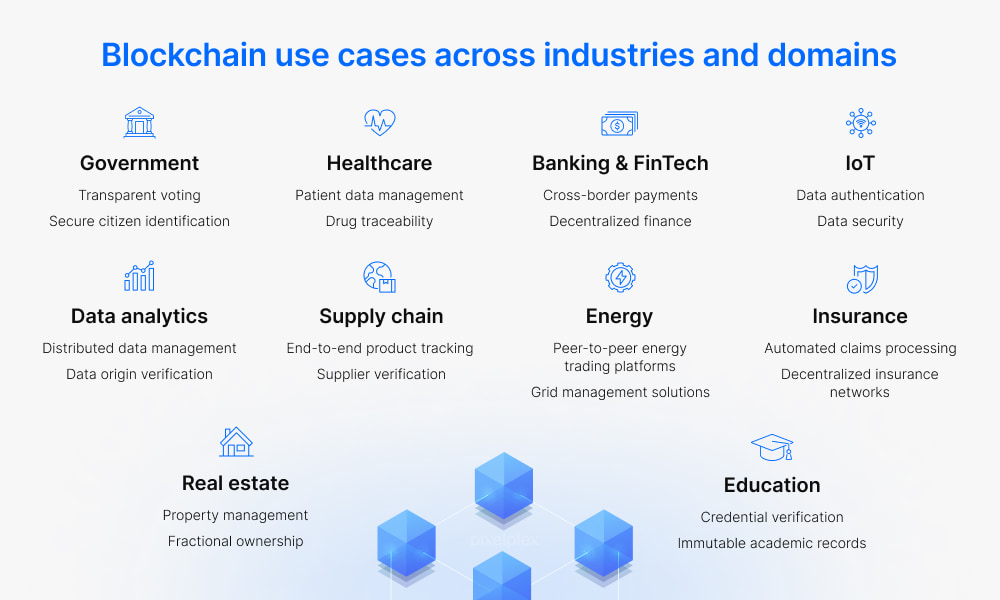
Top 5 Blockchain Use Cases Transforming Business in 2026
Blockchain technology has moved far beyond cryptocurrency. In 2026, businesses across industries are leveraging distributed ledger technology to solve real-world problems with transparency and security.
1. Supply Chain Management
Blockchain enables end-to-end visibility in supply chains. Companies can track products from manufacturer to consumer, reducing fraud and ensuring authenticity.
2. Smart Contracts
Self-executing contracts eliminate the need for intermediaries. Legal agreements, insurance claims, and real estate transactions are being automated through smart contracts.
3. Healthcare Records
Patient data stored on blockchain gives individuals control over their medical history while ensuring data integrity across hospitals and clinics.
4. Digital Identity Verification
Blockchain-based identity systems reduce identity theft and streamline KYC processes for banks and financial institutions.
5. Decentralized Finance
DeFi platforms are disrupting traditional banking by offering lending, borrowing, and trading without centralized institutions.
Blockchain is no longer a buzzword. It is a foundational technology reshaping how businesses operate in the digital age.

The global supply chain industry confronts numerous challenges, and transparency stands as one of its most pressing issues. The integration of blockchain technology offers groundbreaking ways to enhance transparency across supply chains, promising improved efficiency, accountability, and trust among stakeholders.
Understanding Blockchain Technology
At its core, blockchain is a distributed ledger technology that records transactions across multiple computer systems in a way that ensures security and transparency. Its decentralized nature ensures that no single entity controls the data, making it resistant to tampering and fraud. By applying blockchain to supply chains, companies can achieve unparalleled visibility into their operations.
Improving Traceability and Accountability
Real-Time Tracking
Blockchain allows for real-time tracking of products from their origin to the final consumer. With unique digital identities assigned to each batch or component, stakeholders can follow products at every stage of the supply chain. This ensures accountability as every transaction is recorded and immutable.
Enhanced Product Authenticity
Consumers today demand to know the origins of the products they purchase, especially in sectors like food, pharmaceuticals, and luxury goods. Blockchain provides an unalterable record of a product’s journey, helping to verify its authenticity and build consumer trust.
Streamlining Logistics and Efficiency
Automated Processes
By integrating smart contracts, which are self-executing contracts with the terms written into code, blockchain can automate numerous logistics processes. This not only reduces the time required to complete transactions but also minimizes human error, resulting in increased overall efficiency.
Reduced Costs
With improved transparency and decreased reliance on intermediaries, blockchain technology can help reduce costs significantly. The streamlined processes enabled by blockchain lower administrative expenses and enhance transaction speeds, leading to a more cost-effective supply chain operation.
Ensuring Data Security and Integrity
Data breaches and security concerns are prevalent issues in supply chain management. Blockchain’s cryptographic and decentralized nature ensures that data remains secure, with participants only able to view the transactions they are authorized to see. Furthermore, once data is entered into the blockchain, it cannot be altered without consensus from the network, ensuring data integrity and trust.
Challenges and Considerations
Scalability Issues
Despite its advantages, blockchain technology must overcome scalability issues to handle the vast number of transactions occurring in global supply chains. Continuous development in blockchain technology aims to address these limitations, but they remain a significant hurdle to widespread adoption.
Regulatory Compliance
Navigating the regulatory landscape poses challenges for blockchain in supply chains. Different countries and regions have varying regulations regarding data privacy and digital transactions, which can complicate blockchain implementation. Businesses must ensure compliance with these regulations to successfully integrate blockchain into their supply chains.
As we navigate the future of supply chain management, the role of blockchain technology continues to become more prominent. By enhancing transparency, implementing efficient processes, and ensuring security, blockchain has the potential to revolutionize supply chains globally, offering greater insights and control over the complex ecosystems of production and distribution.

Best SEO Link Building Strategies for 2026 (Live 1 under Bulk Projects)

Best SEO Link Building Strategies for 2026 (Live 5)

Best SEO Link Building Strategies for 2026 (Live 4)

Best SEO Link Building Strategies for 2026 (Live 3)

Best SEO Link Building Strategies for 2026 (Live 3)

Best SEO Link Building Strategies for 2026 (Live 2)

Best SEO Link Building Strategies for 2026 (Live)

Top 5 Blockchain Use Cases Transforming Business in 2026

Best SEO Link Building Strategies for 2026 Part 2

Best SEO Link Building Strategies for 2026

Best SEO Link Building Strategies for 2026

Accessily Review: An Honest Look at Its Guest Posting Marketplace

LinkHouse vs Adsy: Which Guest Posting Service Is Worth Your Budget?

Top 5 Blockchain Use Cases Transforming Business in 2026

Top 5 Blockchain Use Cases Transforming Business in 2026

Best SEO Link Building Strategies for 2026

Best SEO Link Building Strategies for 2026

Getfluence vs WhitePress: Which Platform Is Better for Premium Publisher Outreach?
Test Auto Publish Google Doc Post 2

Top Marketing Automation Tools to Watch in 2025

Choosing the Right Web Hosting Plan for Your Start-up: A Comprehensive Guide

The Role of AI in Predicting Future Cyber Threats

Emerging Trends in Web Hosting: What to Expect in 2025

The Future of Real Estate Transactions with Smart Contracts

Exploring the Environmental Impacts of Blockchain Technology

The Impact of Cryptocurrency on E-commerce Payment Solutions

Leveraging Augmented Reality to Enhance the Online Shopping Experience

Exploring the Benefits of Cloud-Based Web Hosting Solutions

How AI is Changing the Face of Cloud Computing

How User-Generated Content is Shaping Brand Authenticity

Best Practices for Securing Your Remote Workforce in 2025

Navigating the Aftermath of a Data Breach in Today’s Digital Age

The Impact of Edge Computing on Cloud Services

Cloud-Native Applications: Why They’re Essential for Today’s Enterprises

2025 Trends in Cloud Security: Keeping Your Data Safe

Blockchain’s Impact on Global Financial Inclusion Efforts

How Blockchain is Transforming the Gaming Industry
Top Marketing Automation Tools to Watch in 2025

Data-Driven Marketing: Harnessing Analytics for Better Outcomes

The Importance of Green Web Hosting in Reducing Your Carbon Footprint
-
 Web Hosting2 years ago
Choosing the Right Web Hosting Plan for Your Start-up: A Comprehensive Guide
-
 Cybersecurity2 years ago
The Role of AI in Predicting Future Cyber Threats
-
 Web Hosting1 year ago
Emerging Trends in Web Hosting: What to Expect in 2025
-
 Blockchain1 year ago
Exploring the Environmental Impacts of Blockchain Technology
-
 E-commerce1 year ago
The Impact of Cryptocurrency on E-commerce Payment Solutions
-
 E-commerce2 years ago
Leveraging Augmented Reality to Enhance the Online Shopping Experience
-
 Web Hosting2 years ago
Exploring the Benefits of Cloud-Based Web Hosting Solutions
-
 Marketing2 years ago
How User-Generated Content is Shaping Brand Authenticity