
Marketing
Data-Driven Marketing: Harnessing Analytics for Better Outcomes


In today’s rapidly evolving digital landscape, data-driven marketing has emerged as a critical component for businesses aiming to enhance their marketing strategies and achieve better outcomes. By leveraging analytics, marketers can gain a deeper understanding of their audience, optimize their campaigns, and ultimately drive more effective results. This article explores the essential aspects of data-driven marketing and how organizations can harness analytics to improve their marketing efforts.
Understanding Data-Driven Marketing
Data-driven marketing revolves around the use of data analytics to guide marketing decisions. By collecting and analyzing data from various sources, businesses can gain insights into consumer behavior, preferences, and trends. This information is crucial in developing targeted marketing strategies that resonate with the intended audience and increase overall return on investment (ROI).
The Role of Data Analytics
Data analytics plays a pivotal role in data-driven marketing by providing businesses with the tools to extract actionable insights from raw data. Through advanced analytics techniques, such as predictive modeling and segmentation, marketers can identify patterns and predict future consumer behavior. These insights are then used to tailor marketing campaigns to better align with customer needs and expectations.
Benefits of Data-Driven Marketing
One of the primary benefits of data-driven marketing is the ability to create more personalized marketing campaigns. By understanding the unique preferences and behaviors of different customer segments, businesses can deliver highly targeted messages that are more likely to resonate and lead to conversions. Additionally, data-driven marketing enables more efficient allocation of marketing resources, ensuring that efforts are focused on strategies that yield the highest returns.
Implementing Data-Driven Marketing Strategies
To effectively implement data-driven marketing strategies, businesses must invest in the right tools and technologies. This involves adopting sophisticated analytics platforms that can handle large volumes of data and provide real-time insights. Furthermore, organizations need to ensure their teams are equipped with the skills necessary to interpret and leverage these insights in their marketing activities.
Integrating Data Sources
Integrating data from multiple sources is a crucial step in creating a comprehensive view of customer behavior. This includes collecting data from social media, email campaigns, customer interactions, and transactional records. By consolidating this data, businesses can build a cohesive understanding of their audience and tailor their marketing efforts accordingly.
Utilizing Customer Journey Mapping
Customer journey mapping is a valuable technique in data-driven marketing. By visualizing the different stages a customer goes through when interacting with a brand, marketers can identify key touchpoints and optimize the customer experience. This approach helps in creating more engaging and effective marketing strategies, ultimately leading to improved customer satisfaction and loyalty.
Overcoming Challenges in Data-Driven Marketing
While data-driven marketing offers numerous advantages, it also presents certain challenges. One of the primary challenges is ensuring data quality. Inaccurate or incomplete data can lead to misguided decisions and ineffective marketing campaigns. Organizations must implement rigorous data governance practices to maintain data accuracy and reliability.
Privacy and Compliance Concerns
With increasing concerns regarding data privacy, businesses must also navigate the complexities of data protection regulations. Compliance with regulations such as GDPR and CCPA is paramount to avoid penalties and maintain consumer trust. By prioritizing data privacy, companies can build stronger relationships with their customers and foster brand loyalty.
Continuous Improvement and Adaptation
To stay relevant in a constantly changing market, businesses must adopt a mindset of continuous improvement and adaptation. This involves regularly reviewing and refining marketing strategies based on the latest data insights. By staying agile and responsive to new information, marketers can ensure long-term success and remain competitive in the marketplace.
In conclusion, data-driven marketing, when executed effectively, can significantly improve the efficiency and effectiveness of marketing efforts. By leveraging analytics, businesses can gain insights into customer behavior, make informed decisions, and deliver personalized experiences. As technology and analytics capabilities continue to evolve, the potential for data-driven marketing to drive better business outcomes is truly limitless.
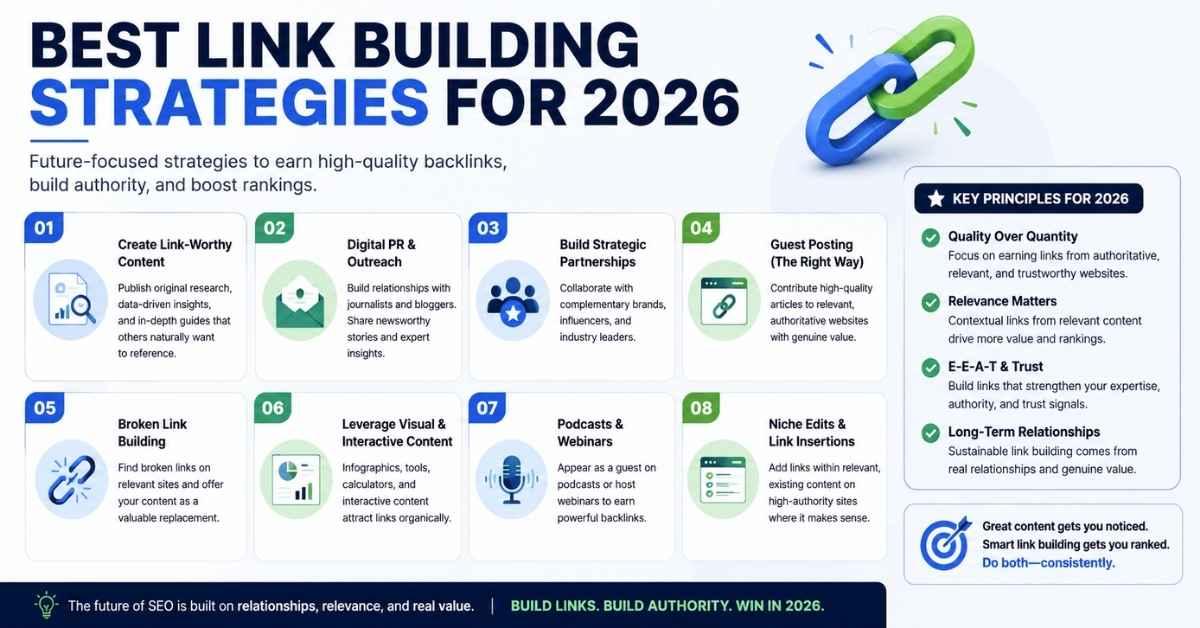
Tab 1
Best SEO Link Building Strategies for 2026 (Live 1 under Bulk Projects)
Link building remains one of the most important factors in search engine optimization. This guide covers the most effective strategies for acquiring high-quality backlinks in 2026.
Why Link Building Still Matters
Search engines use backlinks as a signal of trust and authority. Websites with strong backlink profiles consistently outperform competitors in organic search rankings.
Top Link Building Strategies
1. Guest Posting
Publishing articles on relevant third-party websites remains one of the most reliable ways to earn editorial backlinks. Focus on websites with genuine editorial standards and real audiences.
2. Digital PR
Creating newsworthy content that journalists and bloggers naturally want to reference generates powerful editorial links that are difficult to replicate through other means.
3. Niche Edits
Placing links within existing published content on relevant websites can deliver faster results than waiting for new content to be indexed.
Strategy Comparison
Strategy | Difficulty | Cost | Link Quality | Time to Results |
Guest Posting | Medium | Medium | High | 2 to 4 weeks |
Digital PR | High | High | Very High | 4 to 8 weeks |
Niche Edits | Low | Low | Medium | 1 to 2 weeks |
Broken Link Building | Medium | Low | High | 2 to 6 weeks |
Resource Pages | Medium | Low | High | 2 to 4 weeks |
Platform Comparison
Platform | Publisher Network | Best For | Pricing |
SerpInsight | Manually reviewed sites | Agencies and SEO teams | Competitive |
Getfluence | Premium media brands | Brand campaigns | Premium |
WhitePress | Large marketplace | Scalable outreach | Variable |
Key Takeaways
- Focus on relevance over domain authority alone
- Prioritize platforms with manually reviewed publishers
- Diversify your link profile across multiple strategies
- Track results over a 90-day window before making changes
Conclusion
Effective link building in 2026 requires a combination of strategies tailored to your industry, budget, and timeline. Platforms like SerpInsight make it easier to connect with quality publishers without the manual effort of traditional outreach.

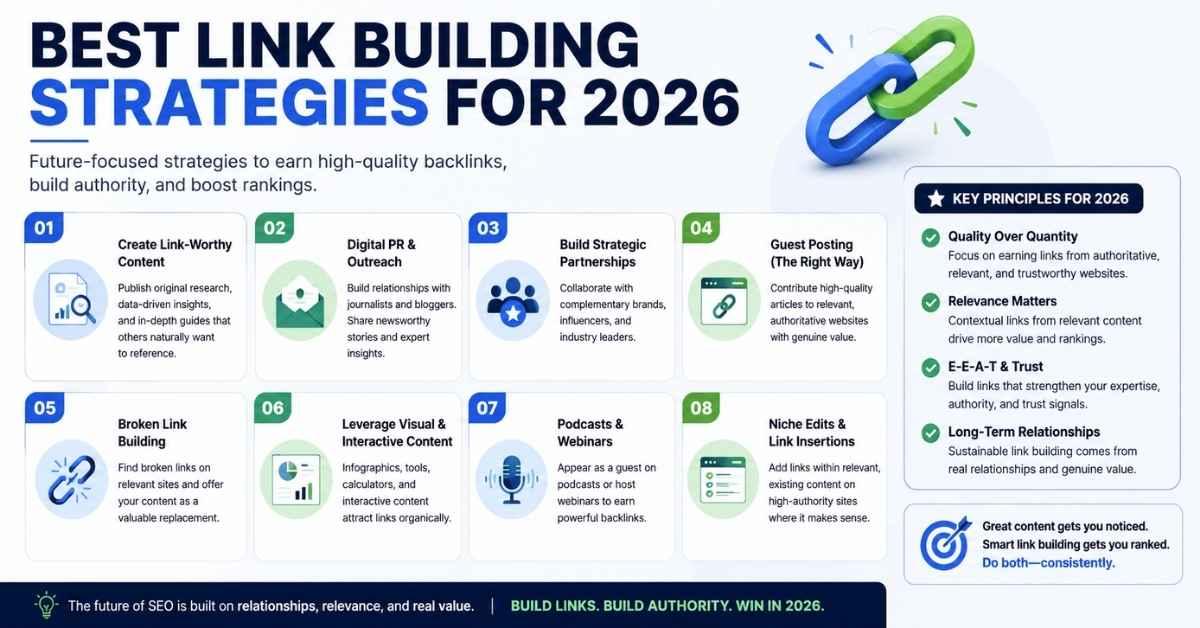
Best SEO Link Building Strategies for 2026 (Live 5)
Link building remains one of the most important factors in search engine optimization. This guide covers the most effective strategies for acquiring high-quality backlinks in 2026.
Why Link Building Still Matters
Search engines use backlinks as a signal of trust and authority. Websites with strong backlink profiles consistently outperform competitors in organic search rankings.
Top Link Building Strategies
1. Guest Posting
Publishing articles on relevant third-party websites remains one of the most reliable ways to earn editorial backlinks. Focus on websites with genuine editorial standards and real audiences.
2. Digital PR
Creating newsworthy content that journalists and bloggers naturally want to reference generates powerful editorial links that are difficult to replicate through other means.
3. Niche Edits
Placing links within existing published content on relevant websites can deliver faster results than waiting for new content to be indexed.
Strategy Comparison
Strategy | Difficulty | Cost | Link Quality | Time to Results |
Guest Posting | Medium | Medium | High | 2 to 4 weeks |
Digital PR | High | High | Very High | 4 to 8 weeks |
Niche Edits | Low | Low | Medium | 1 to 2 weeks |
Broken Link Building | Medium | Low | High | 2 to 6 weeks |
Resource Pages | Medium | Low | High | 2 to 4 weeks |
Platform Comparison
Platform | Publisher Network | Best For | Pricing |
SerpInsight | Manually reviewed sites | Agencies and SEO teams | Competitive |
Getfluence | Premium media brands | Brand campaigns | Premium |
WhitePress | Large marketplace | Scalable outreach | Variable |
Key Takeaways
- Focus on relevance over domain authority alone
- Prioritize platforms with manually reviewed publishers
- Diversify your link profile across multiple strategies
- Track results over a 90-day window before making changes
Conclusion
Effective link building in 2026 requires a combination of strategies tailored to your industry, budget, and timeline. Platforms like SerpInsight make it easier to connect with quality publishers without the manual effort of traditional outreach.
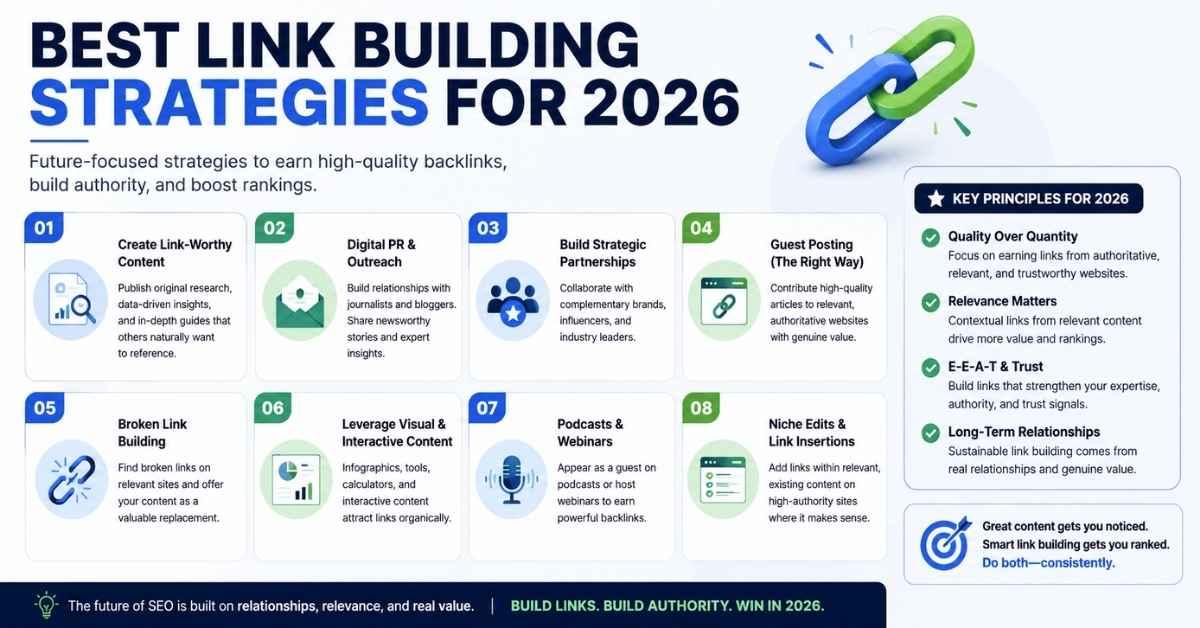
Best SEO Link Building Strategies for 2026 (Live 4)
Link building remains one of the most important factors in search engine optimization. This guide covers the most effective strategies for acquiring high-quality backlinks in 2026.
Why Link Building Still Matters
Search engines use backlinks as a signal of trust and authority. Websites with strong backlink profiles consistently outperform competitors in organic search rankings.
Top Link Building Strategies
1. Guest Posting
Publishing articles on relevant third-party websites remains one of the most reliable ways to earn editorial backlinks. Focus on websites with genuine editorial standards and real audiences.
2. Digital PR
Creating newsworthy content that journalists and bloggers naturally want to reference generates powerful editorial links that are difficult to replicate through other means.
3. Niche Edits
Placing links within existing published content on relevant websites can deliver faster results than waiting for new content to be indexed.
Strategy Comparison
Strategy | Difficulty | Cost | Link Quality | Time to Results |
Guest Posting | Medium | Medium | High | 2 to 4 weeks |
Digital PR | High | High | Very High | 4 to 8 weeks |
Niche Edits | Low | Low | Medium | 1 to 2 weeks |
Broken Link Building | Medium | Low | High | 2 to 6 weeks |
Resource Pages | Medium | Low | High | 2 to 4 weeks |
Platform Comparison
Platform | Publisher Network | Best For | Pricing |
SerpInsight | Manually reviewed sites | Agencies and SEO teams | Competitive |
Getfluence | Premium media brands | Brand campaigns | Premium |
WhitePress | Large marketplace | Scalable outreach | Variable |
Key Takeaways
- Focus on relevance over domain authority alone
- Prioritize platforms with manually reviewed publishers
- Diversify your link profile across multiple strategies
- Track results over a 90-day window before making changes
Conclusion
Effective link building in 2026 requires a combination of strategies tailored to your industry, budget, and timeline. Platforms like SerpInsight make it easier to connect with quality publishers without the manual effort of traditional outreach.

Best SEO Link Building Strategies for 2026 (Live 1 under Bulk Projects)

Best SEO Link Building Strategies for 2026 (Live 5)

Best SEO Link Building Strategies for 2026 (Live 4)

Best SEO Link Building Strategies for 2026 (Live 3)

Best SEO Link Building Strategies for 2026 (Live 3)

Best SEO Link Building Strategies for 2026 (Live 2)

Best SEO Link Building Strategies for 2026 (Live)

Top 5 Blockchain Use Cases Transforming Business in 2026

Best SEO Link Building Strategies for 2026 Part 2

Best SEO Link Building Strategies for 2026

Best SEO Link Building Strategies for 2026

Accessily Review: An Honest Look at Its Guest Posting Marketplace

LinkHouse vs Adsy: Which Guest Posting Service Is Worth Your Budget?

Top 5 Blockchain Use Cases Transforming Business in 2026

Top 5 Blockchain Use Cases Transforming Business in 2026

Best SEO Link Building Strategies for 2026

Best SEO Link Building Strategies for 2026

Getfluence vs WhitePress: Which Platform Is Better for Premium Publisher Outreach?
Test Auto Publish Google Doc Post 2

Top Marketing Automation Tools to Watch in 2025

Choosing the Right Web Hosting Plan for Your Start-up: A Comprehensive Guide

The Role of AI in Predicting Future Cyber Threats

Emerging Trends in Web Hosting: What to Expect in 2025

The Future of Real Estate Transactions with Smart Contracts

Exploring the Environmental Impacts of Blockchain Technology

The Impact of Cryptocurrency on E-commerce Payment Solutions

Leveraging Augmented Reality to Enhance the Online Shopping Experience

Exploring the Benefits of Cloud-Based Web Hosting Solutions

How AI is Changing the Face of Cloud Computing

How User-Generated Content is Shaping Brand Authenticity

Best Practices for Securing Your Remote Workforce in 2025

Navigating the Aftermath of a Data Breach in Today’s Digital Age

The Impact of Edge Computing on Cloud Services

Cloud-Native Applications: Why They’re Essential for Today’s Enterprises

2025 Trends in Cloud Security: Keeping Your Data Safe

How Blockchain is Transforming the Gaming Industry

Blockchain’s Impact on Global Financial Inclusion Efforts
Top Marketing Automation Tools to Watch in 2025

Data-Driven Marketing: Harnessing Analytics for Better Outcomes

The Importance of Green Web Hosting in Reducing Your Carbon Footprint
-
 Web Hosting2 years ago
Choosing the Right Web Hosting Plan for Your Start-up: A Comprehensive Guide
-
 Cybersecurity2 years ago
The Role of AI in Predicting Future Cyber Threats
-
 Web Hosting1 year ago
Emerging Trends in Web Hosting: What to Expect in 2025
-
 Blockchain1 year ago
The Future of Real Estate Transactions with Smart Contracts
-
 Blockchain1 year ago
Exploring the Environmental Impacts of Blockchain Technology
-
 E-commerce1 year ago
The Impact of Cryptocurrency on E-commerce Payment Solutions
-
 E-commerce2 years ago
Leveraging Augmented Reality to Enhance the Online Shopping Experience
-
 Web Hosting2 years ago
Exploring the Benefits of Cloud-Based Web Hosting Solutions