
Blockchain
How Blockchain is Transforming the Gaming Industry


The integration of blockchain technology into the gaming industry has created a wave of innovation that is reshaping how games are developed, played, and monetized. By offering a decentralized approach to in-game economies, improved security, and novel gameplay possibilities, blockchain is not just a buzzword; it is a revolutionary force making profound changes in gaming landscapes.
Decentralized Economies in Virtual Worlds
Traditional gaming economies are often controlled by the game developers, with players having limited ownership over their in-game assets. Blockchain introduces decentralized models, enabling true ownership of digital assets like characters, weapons, and collectibles through the use of Non-Fungible Tokens (NFTs). This revolutionizes player interaction and investment within games.
Ownership and Trade of In-Game Assets
Using blockchain, players can securely own, trade, and sell their in-game items across different platforms without restrictions imposed by any single game developer. This creates a vibrant, player-driven marketplace that extends the lifespan and value of games beyond their original ecosystem.
Play-to-Earn Models
The play-to-earn model, facilitated by blockchain, allows gamers to earn real-world value from their in-game achievements. Through earning cryptocurrencies and NFTs, players can transform their gaming time into a profitable venture, blurring the lines between leisure and income.
Enhanced Security and Transparency
Blockchain technology provides unparalleled security features, crucial in protecting gamers from fraud and hacking. By recording transactions on a distributed ledger, blockchain ensures that game interactions are verifiable, secure, and transparent, leading to a more trustworthy gaming environment.
Prevention of Fraud and Cheating
Immutable records provided by blockchain drastically reduce the chance of fraud and cheating in games. From secure transaction records to tamper-proof in-game mechanisms, the trustworthiness of the gaming experience is significantly improved, fostering a fair competitive environment for all players.
Fair Chances in eSports
Transparency in blockchain can also enhance fairness in competitive gaming and eSports by ensuring all players compete on an even playing field. This builds credibility in tournaments and increases their appeal to sponsors and audiences.
Innovation in Gameplay and Game Development
Beyond economic and security aspects, blockchain is fostering innovative gameplay and methods of game development. Decentralized games, often referred to as “GameFi” (Gaming Finance), allow developers to explore new gaming concepts and build standalone economies.
Player Driven Content
Blockchain games can have their development influenced directly by player communities who may vote on game content, rule changes, and updates. This democratization of game development leads to a more engaged community and games that more accurately reflect the wishes and desires of their player base.
Integrating Virtual and Physical Worlds
Real-world implications of blockchain are seen in how games can integrate with physical reality. Augmented reality (AR) and real-world resource collection can merge seamlessly into the game through blockchain smart contracts, creating experiences that bridge the gap between virtual and reality.
Challenges and Opportunities
Despite its potential, blockchain gaming faces challenges, such as scalability issues, environmental concerns related to mining processes, and the need for sophisticated digital literacy among users. However, the continued evolution of technology and more energy-efficient solutions promise to address these hurdles.
Scalability Solutions
Layer 2 solutions and alternative consensus mechanisms are on the rise, offering scalable and eco-friendly ways to conduct large volumes of transactions needed in immersive games. These advancements will likely spur further adoption and innovation in blockchain gaming.
In conclusion, blockchain is not only transforming the gaming industry by decentralizing economies and enhancing security but also by encouraging creativity and community involvement in a way that traditional models simply cannot. As the technology matures, the potential for groundbreaking developments in both gameplay and game engagement will continue to expand, ultimately redefining the gaming industry for developers and players alike.
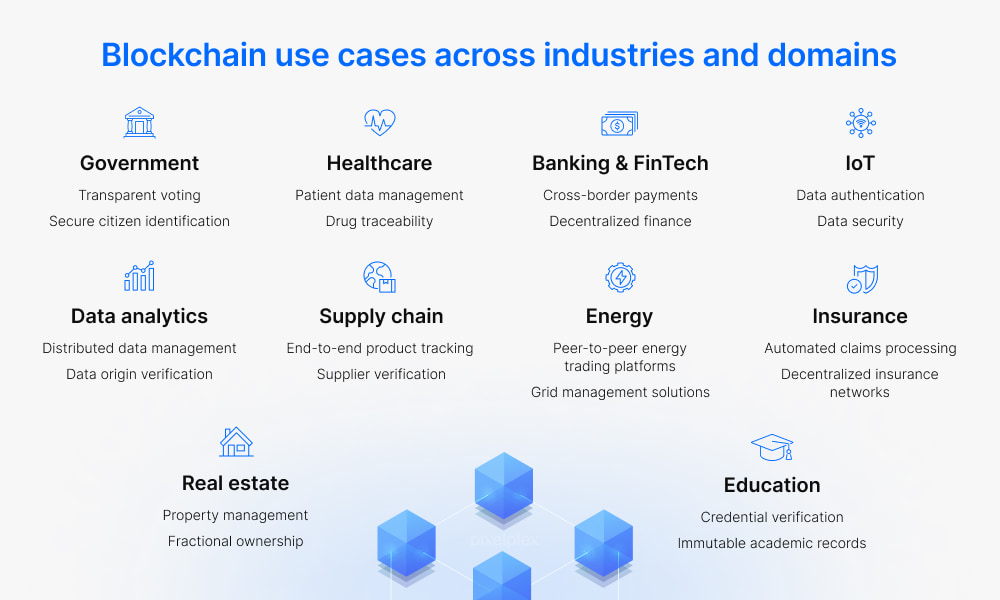
Top 5 Blockchain Use Cases Transforming Business in 2026
Blockchain technology has moved far beyond cryptocurrency. In 2026, businesses across industries are leveraging distributed ledger technology to solve real-world problems with transparency and security.
1. Supply Chain Management
Blockchain enables end-to-end visibility in supply chains. Companies can track products from manufacturer to consumer, reducing fraud and ensuring authenticity.
2. Smart Contracts
Self-executing contracts eliminate the need for intermediaries. Legal agreements, insurance claims, and real estate transactions are being automated through smart contracts.
3. Healthcare Records
Patient data stored on blockchain gives individuals control over their medical history while ensuring data integrity across hospitals and clinics.
4. Digital Identity Verification
Blockchain-based identity systems reduce identity theft and streamline KYC processes for banks and financial institutions.
5. Decentralized Finance
DeFi platforms are disrupting traditional banking by offering lending, borrowing, and trading without centralized institutions.
Blockchain is no longer a buzzword. It is a foundational technology reshaping how businesses operate in the digital age.

Top 5 Blockchain Use Cases Transforming Business in 2026
Blockchain technology has moved far beyond cryptocurrency. In 2026, businesses across industries are leveraging distributed ledger technology to solve real-world problems with transparency and security.
1. Supply Chain Management
Blockchain enables end-to-end visibility in supply chains. Companies can track products from manufacturer to consumer, reducing fraud and ensuring authenticity.
2. Smart Contracts
Self-executing contracts eliminate the need for intermediaries. Legal agreements, insurance claims, and real estate transactions are being automated through smart contracts.
3. Healthcare Records
Patient data stored on blockchain gives individuals control over their medical history while ensuring data integrity across hospitals and clinics.
4. Digital Identity Verification
Blockchain-based identity systems reduce identity theft and streamline KYC processes for banks and financial institutions.
5. Decentralized Finance
DeFi platforms are disrupting traditional banking by offering lending, borrowing, and trading without centralized institutions.
Blockchain is no longer a buzzword. It is a foundational technology reshaping how businesses operate in the digital age.
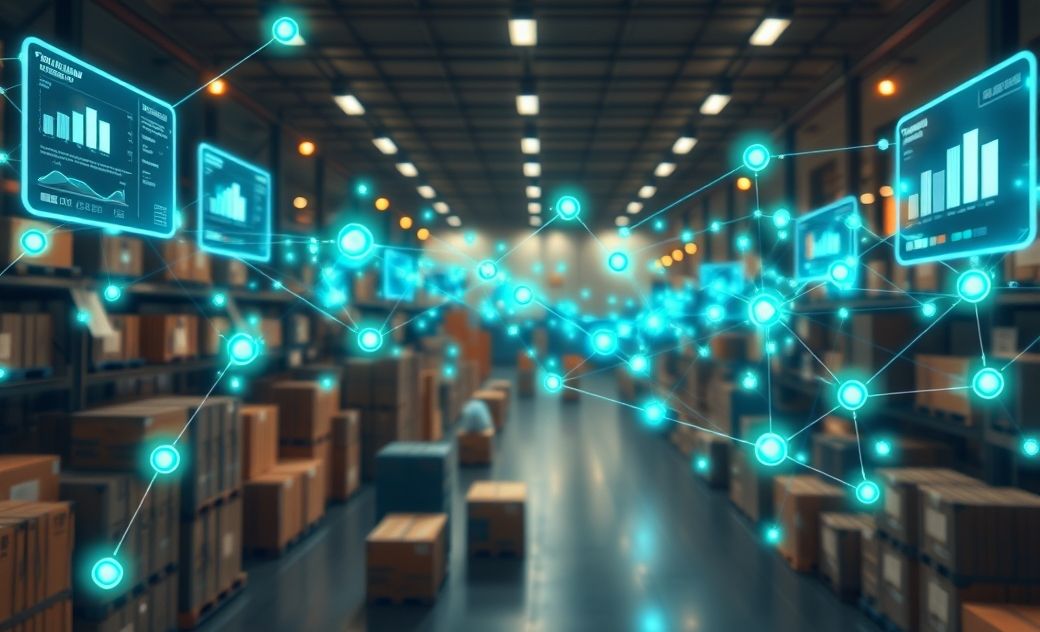
The global supply chain industry confronts numerous challenges, and transparency stands as one of its most pressing issues. The integration of blockchain technology offers groundbreaking ways to enhance transparency across supply chains, promising improved efficiency, accountability, and trust among stakeholders.
Understanding Blockchain Technology
At its core, blockchain is a distributed ledger technology that records transactions across multiple computer systems in a way that ensures security and transparency. Its decentralized nature ensures that no single entity controls the data, making it resistant to tampering and fraud. By applying blockchain to supply chains, companies can achieve unparalleled visibility into their operations.
Improving Traceability and Accountability
Real-Time Tracking
Blockchain allows for real-time tracking of products from their origin to the final consumer. With unique digital identities assigned to each batch or component, stakeholders can follow products at every stage of the supply chain. This ensures accountability as every transaction is recorded and immutable.
Enhanced Product Authenticity
Consumers today demand to know the origins of the products they purchase, especially in sectors like food, pharmaceuticals, and luxury goods. Blockchain provides an unalterable record of a product’s journey, helping to verify its authenticity and build consumer trust.
Streamlining Logistics and Efficiency
Automated Processes
By integrating smart contracts, which are self-executing contracts with the terms written into code, blockchain can automate numerous logistics processes. This not only reduces the time required to complete transactions but also minimizes human error, resulting in increased overall efficiency.
Reduced Costs
With improved transparency and decreased reliance on intermediaries, blockchain technology can help reduce costs significantly. The streamlined processes enabled by blockchain lower administrative expenses and enhance transaction speeds, leading to a more cost-effective supply chain operation.
Ensuring Data Security and Integrity
Data breaches and security concerns are prevalent issues in supply chain management. Blockchain’s cryptographic and decentralized nature ensures that data remains secure, with participants only able to view the transactions they are authorized to see. Furthermore, once data is entered into the blockchain, it cannot be altered without consensus from the network, ensuring data integrity and trust.
Challenges and Considerations
Scalability Issues
Despite its advantages, blockchain technology must overcome scalability issues to handle the vast number of transactions occurring in global supply chains. Continuous development in blockchain technology aims to address these limitations, but they remain a significant hurdle to widespread adoption.
Regulatory Compliance
Navigating the regulatory landscape poses challenges for blockchain in supply chains. Different countries and regions have varying regulations regarding data privacy and digital transactions, which can complicate blockchain implementation. Businesses must ensure compliance with these regulations to successfully integrate blockchain into their supply chains.
As we navigate the future of supply chain management, the role of blockchain technology continues to become more prominent. By enhancing transparency, implementing efficient processes, and ensuring security, blockchain has the potential to revolutionize supply chains globally, offering greater insights and control over the complex ecosystems of production and distribution.

Best SEO Link Building Strategies for 2026 (Live 1 under Bulk Projects)

Best SEO Link Building Strategies for 2026 (Live 5)

Best SEO Link Building Strategies for 2026 (Live 4)

Best SEO Link Building Strategies for 2026 (Live 3)

Best SEO Link Building Strategies for 2026 (Live 3)

Best SEO Link Building Strategies for 2026 (Live 2)

Best SEO Link Building Strategies for 2026 (Live)

Top 5 Blockchain Use Cases Transforming Business in 2026

Best SEO Link Building Strategies for 2026 Part 2

Best SEO Link Building Strategies for 2026

Best SEO Link Building Strategies for 2026

Accessily Review: An Honest Look at Its Guest Posting Marketplace

LinkHouse vs Adsy: Which Guest Posting Service Is Worth Your Budget?

Top 5 Blockchain Use Cases Transforming Business in 2026

Top 5 Blockchain Use Cases Transforming Business in 2026

Best SEO Link Building Strategies for 2026

Best SEO Link Building Strategies for 2026

Getfluence vs WhitePress: Which Platform Is Better for Premium Publisher Outreach?
Test Auto Publish Google Doc Post 2

Top Marketing Automation Tools to Watch in 2025

Choosing the Right Web Hosting Plan for Your Start-up: A Comprehensive Guide

The Role of AI in Predicting Future Cyber Threats

The Future of Real Estate Transactions with Smart Contracts

Emerging Trends in Web Hosting: What to Expect in 2025

Exploring the Environmental Impacts of Blockchain Technology

The Impact of Cryptocurrency on E-commerce Payment Solutions

Leveraging Augmented Reality to Enhance the Online Shopping Experience

Exploring the Benefits of Cloud-Based Web Hosting Solutions

How AI is Changing the Face of Cloud Computing

Best Practices for Securing Your Remote Workforce in 2025

The Impact of Edge Computing on Cloud Services

How User-Generated Content is Shaping Brand Authenticity

Cloud-Native Applications: Why They’re Essential for Today’s Enterprises

Navigating the Aftermath of a Data Breach in Today’s Digital Age

2025 Trends in Cloud Security: Keeping Your Data Safe

Blockchain’s Impact on Global Financial Inclusion Efforts

How Blockchain is Transforming the Gaming Industry
Top Marketing Automation Tools to Watch in 2025

Data-Driven Marketing: Harnessing Analytics for Better Outcomes

The Importance of Green Web Hosting in Reducing Your Carbon Footprint
-
 Web Hosting2 years ago
Choosing the Right Web Hosting Plan for Your Start-up: A Comprehensive Guide
-
 Cybersecurity2 years ago
The Role of AI in Predicting Future Cyber Threats
-
 Blockchain1 year ago
The Future of Real Estate Transactions with Smart Contracts
-
 Web Hosting1 year ago
Emerging Trends in Web Hosting: What to Expect in 2025
-
 Blockchain1 year ago
Exploring the Environmental Impacts of Blockchain Technology
-
 E-commerce1 year ago
The Impact of Cryptocurrency on E-commerce Payment Solutions
-
 E-commerce2 years ago
Leveraging Augmented Reality to Enhance the Online Shopping Experience
-
 Web Hosting2 years ago
Exploring the Benefits of Cloud-Based Web Hosting Solutions