Cybersecurity
Best Practices for Securing Your Remote Workforce in 2025


As remote work has become a staple across industries, securing remote workforces has emerged as a crucial responsibility for businesses. The year 2025 brings with it a new set of challenges and advancements in technology that all organizations must be prepared for. Prioritizing cybersecurity is essential not just for protecting sensitive data but also for ensuring operational continuity. Here are some best practices to secure your remote workforce in 2025.
Adopt Zero Trust Architecture
One of the most effective cybersecurity strategies today is the Zero Trust model. This approach operates on the principle that threats could be both outside and inside your network, so no user or device should be trusted by default. Implementing Zero Trust means rigorously verifying every request, whether it’s coming from within your network or from an external source.
Multi-Factor Authentication (MFA)
MFA adds an extra layer of security by requiring multiple forms of verification before granting access to resources. By using a combination of passwords, biometrics, and one-time codes, organizations can prevent unauthorized access even if a password is compromised.
Continuous Monitoring
To effectively implement Zero Trust, continuous monitoring of user activities and network traffic is critical. This enables real-time detection of any suspicious activities and allows for immediate response to potential threats.
Enhance VPN Capabilities
Virtual Private Networks (VPNs) have been a mainstay in securing remote connections. However, sophisticated attacks can compromise traditional VPNs. Enhanced VPNs utilizing cloud-based solutions or software-defined perimeter (SDP) technology provide better scalability and security for dispersed teams.
High Encryption Standards
Ensure your VPN uses advanced encryption standards to keep data secure as it travels over the internet. AES-256 is one of the most secure encryption algorithms available today and should be a minimum requirement.
Network Segmentation
Network segmentation within VPNs can limit access to critical systems, reducing the risk if a breach occurs. By segmenting users and devices, you maintain tighter control over who can access sensitive information.
Strengthen Endpoint Security
Endpoints such as laptops, tablets, and smartphones are vulnerable to attacks, especially when they operate outside the corporate firewall. Strengthening security for these devices ensures that your company’s data remains protected.
Unified Endpoint Management (UEM)
UEM solutions simplify the management and security of all endpoints by integrating them into a single platform. This approach ensures consistent security policies and updates across all devices.
Regular Software Updates
Ensuring that all operating systems, applications, and security software are up to date is vital. Outdated software can be vulnerable to attacks, so automatic updates and patch management should be enforced.
Employee Training and Awareness
Human error remains one of the weakest links in cybersecurity. Therefore, investing in regular training and awareness programs is essential for cultivating a culture of security within your remote workforce.
Simulated Phishing Exercises
Conducting fake phishing campaigns helps employees recognize and appropriately respond to real threats. This practice can reduce the likelihood of falling victim to phishing attacks.
Clear Communication Protocols
Establishing clear lines of communication regarding security policies and procedures limits confusion and ensures everyone understands how to react in case of a breach or suspicious activity.
Utilize Cloud Security Solutions
Cloud services provide flexible, scalable solutions for remote work, but they also require robust security measures. Embracing cloud security solutions is crucial for safeguarding data stored in or accessed through the cloud.
Data Encryption and Backups
Data should be encrypted both at rest and in transit. Additionally, regular backups ensure that you can recover data in the event of a ransomware attack or other data loss incidents.
Access Management
Employ strict access management policies with role-based permissions to control who can view and edit sensitive information in cloud applications. This minimizes the risk of unauthorized access.
By following these best practices, organizations can better protect their remote workforces in 2025 and beyond. Staying proactive in cybersecurity efforts not only safeguards your data but also builds trust with clients and employees alike.

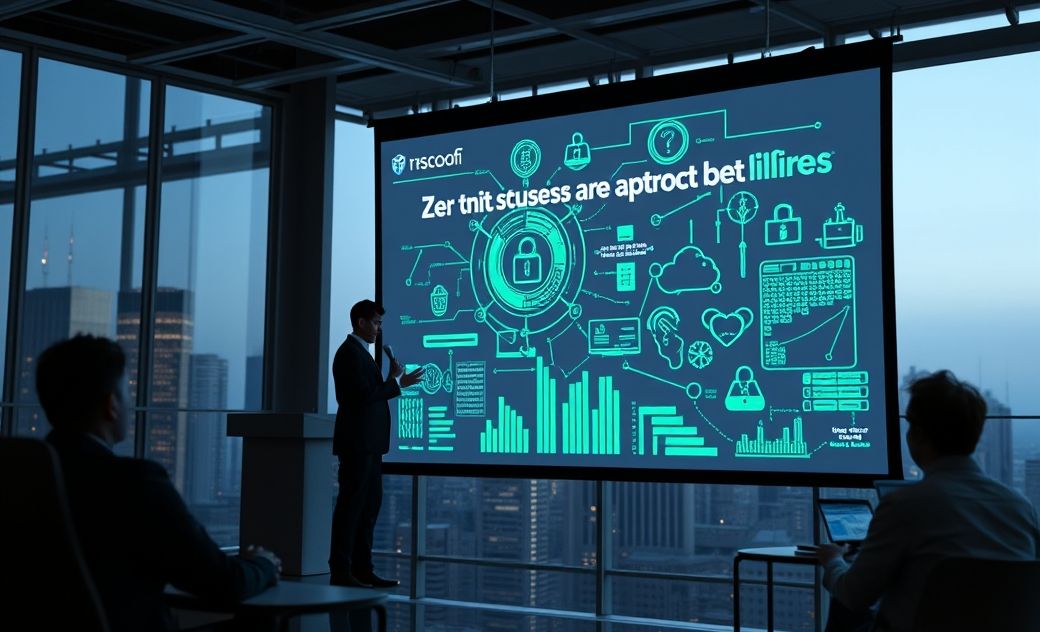
In the complex and evolving world of cybersecurity, the Zero Trust model has emerged as a critical framework transforming how organizations protect their sensitive data and systems. As cyber threats become more sophisticated and traditional security measures prove inadequate, Zero Trust offers a promising alternative by emphasizing a “never trust, always verify” approach. Let’s explore how this model is revolutionizing cybersecurity.
Understanding the Zero Trust Model
The Zero Trust model is predicated on the idea that threats can arise from both outside and inside an organization. This approach dismisses the notion of a trusted internal network and instead assumes every interaction, device, and user is potentially a threat, requiring thorough verification. By employing strict authentication requirements, the Zero Trust model focuses on protecting data and systems from every access point.
Core Principles of Zero Trust
Central to Zero Trust are several principles that guide its implementation:
- Verify explicitly: Always authenticate and authorize based on all available data points, including user identity, location, and device health.
- Use least privilege access: Restrict user access and permissions to the bare minimum required to perform their role, reducing the risk of unauthorized access.
- Assume breach: Operate under the mindset that a breach is inevitable. Monitor and respond to all network activity to quickly detect and mitigate threats.
Implementing Zero Trust Architectures
Transitioning to a Zero Trust architecture involves integrating various technologies and strategies that work together to enforce its principles.
Identity and Access Management (IAM)
At the heart of Zero Trust is robust Identity and Access Management. Organizations utilize multi-factor authentication (MFA) and single sign-on (SSO) solutions to ensure that users are who they claim to be before granting access. This layer of security is a significant deterrent against credential-based attacks.
Microsegmentation
Microsegmentation divides a network into distinct, isolated segments, each with its own access controls. This localized perimeter minimizes the risk of lateral movement within a network, containing breaches effectively and preventing attackers from moving freely.
Strong Endpoint Security
Every device connected to a network is a potential entry point for attackers. Adopting stringent endpoint security measures, such as application whitelisting, device compliance checks, and automatic patch management, ensures that endpoints do not become weak links in security defenses.
Benefits and Challenges of Zero Trust
Like any security model, Zero Trust comes with its advantages and challenges.
Enhanced Security Posture
By inherently distrusting all access attempts and continually verifying, organizations significantly elevate their security posture. This proactive approach reduces the attack surface and enhances the ability to detect and respond to threats quickly.
Improved Compliance
Zero Trust frameworks are often aligned with regulatory requirements, such as GDPR or HIPAA, and assist organizations in achieving compliance. With strict access controls and comprehensive monitoring, compliance becomes more manageable.
Adaptation and Complexity
Implementing Zero Trust can pose challenges, particularly for organizations with legacy systems. The complexity of designing and managing a Zero Trust architecture may require considerable investment in new technologies and expertise.
The Future of Zero Trust in Cybersecurity
As cyber threats continue to evolve, so does the Zero Trust model’s relevance. With a growing emphasis on digital transformation and remote work, Zero Trust provides a scalable and adaptable framework that aligns perfectly with modern business needs. As organizations increasingly recognize its value, Zero Trust will undoubtedly play a pivotal role in shaping the future of cybersecurity.
The Zero Trust model is no longer just a theory; it is an imperative strategy for any organization looking to future-proof its cybersecurity posture, ensuring resilience against even the most sophisticated threats.

Understanding the Immediate Impact
In today’s interconnected world, the prospect of a data breach is a daunting reality for businesses and individuals alike. The immediate aftermath of a data breach can be chaotic, with sensitive information compromised and trust diminished. Understanding the immediate impacts is crucial for effective mitigation and recovery.
When a breach occurs, organizations need to act swiftly to contain the situation. This may involve identifying the source of the breach, securing affected systems, and preventing further unauthorized access. Communication is also key; informing stakeholders, including affected customers and partners, about the breach can help manage expectations and maintain transparency.
Assessing the Damage
Once the initial response steps are underway, a thorough assessment of the damage is necessary. This involves determining the scope of the breach, identifying the data that was compromised, and understanding the potential implications for all parties involved. For organizations, this can mean evaluating the impact on customer trust, financial loss, and potential legal repercussions.
Internal and External Evaluation
Conducting both internal and independent external audits can provide a comprehensive overview of the breach’s impact. An internal review will help in understanding gaps in security protocols, while an external assessment can offer an unbiased perspective on vulnerabilities and risks that need to be addressed.
Implementing Strengthened Security Measures
Strengthening defenses post-breach is crucial to prevent future incidents. This involves upgrading security infrastructure, implementing robust encryption techniques, and ensuring regular security patches and updates are performed. Training employees on cybersecurity practices is also important to create an informed workforce that can help deter threats through vigilance and compliance.
Adopting Advanced Technologies
Incorporating advanced technologies such as artificial intelligence and machine learning can enhance threat detection and response capabilities. These technologies can analyze patterns to identify anomalies and potential threats in real-time, providing an added layer of protection.
Regaining Customer Trust
Rebuilding trust with customers post-breach is a significant challenge, but it is essential for long-term success. Businesses should focus on transparent communication, detailing the measures they are taking to prevent future breaches and ensuring customers know their data security is a top priority.
Offering Support and Compensation
Offering support to affected customers, such as credit monitoring services or compensation, can help mitigate the personal impact of the breach and demonstrate a commitment to customer welfare.
Complying with Legal and Regulatory Requirements
Data breaches often necessitate compliance with various legal and regulatory requirements. Companies must ensure they understand the specific obligations related to data privacy laws such as GDPR or CCPA. This includes timely reporting of the breach to relevant authorities and affected individuals, as well as conducting follow-up compliance audits to verify adherence to privacy standards.
Staying Updated with Regulatory Changes
As regulations evolve, staying informed about changes and updates is crucial. Collaborate with legal experts to ensure ongoing compliance and to address any new obligations that may arise post-breach.
Conclusion
Navigating the aftermath of a data breach requires a comprehensive approach that includes immediate response, damage assessment, improved security practices, customer trust rebuilding, and legal compliance. By addressing each aspect proactively, organizations can not only recover from a breach but also strengthen their resilience against future incidents.

The Internet of Things (IoT) has revolutionized the way we interact with technology, providing unprecedented connectivity between devices and driving innovation across industries. However, this interconnectedness comes with significant cybersecurity challenges that cannot be overlooked. As IoT devices become more integrated into our daily lives, understanding the cybersecurity implications becomes crucial for protecting personal data, ensuring device integrity, and maintaining network security.
Understanding IoT and Its Vulnerabilities
IoT refers to the network of physical devices embedded with sensors, software, and other technologies to exchange data with other systems over the internet. While the benefits of IoT are immense, its rapid growth has introduced several vulnerabilities that cybercriminals can exploit. Such vulnerabilities often stem from insufficient security measures, lack of standardized protocols, and the sheer volume of connected devices.
Device Security Challenges
Many IoT devices have limited processing power, which restricts their ability to run robust security software. This limitation makes them prime targets for attacks. Manufacturers often prioritize functionality and speed to market over security, resulting in devices with default settings that users rarely change, such as unchanged default passwords, which are easily exploitable.
Data Privacy Concerns
IoT devices collect vast amounts of data, often sensitive and personal, which can be intercepted if not properly secured. The lack of encryption and authentication in many devices exposes user data to unauthorized access and monitoring. Consequently, protecting data privacy becomes a critical aspect of IoT cybersecurity.
Impact on Network Security
The integration of IoT devices into networks significantly expands the attack surface, providing hackers with more entry points. A compromised IoT device can be used as a pivot to launch attacks on more secure segments of a network. This possibility necessitates stronger network security practices to manage the increased risk.
Botnets and DDoS Attacks
One of the most well-publicized cybersecurity threats involving IoT devices is their hijacking for use in botnets. These botnets can perform Distributed Denial of Service (DDoS) attacks, overwhelming websites or servers with traffic. Given the sheer number of IoT devices, their collective bandwidth can disrupt even the most robust network services.
Securing the IoT Ecosystem
Implementing robust security measures is essential for mitigating the risks associated with IoT. This includes designing security into devices from the ground up, continuous monitoring of data and traffic, and employing measures such as network segmentation and regular software updates.
Best Practices for IoT Security
Addressing IoT security concerns involves collaboration between manufacturers, developers, and end-users. Following best practices can help mitigate risks and safeguard connected environments.
Strong Authentication and Encryption
Ensuring that IoT devices support strong authentication and encryption standards is fundamental. This approach protects data in transit and at rest, making it difficult for unauthorized entities to gain access or intercept information.
Regular Software Updates
Keeping device software up to date is crucial for patching known vulnerabilities. Automated update mechanisms can help in managing large-scale deployments, ensuring that all devices operate with the latest security enhancements.
User Education and Awareness
Empowering users with knowledge about IoT security practices is vital. Educating users on changing default credentials, understanding the permissions applications have, and recognizing suspicious activity can prevent security breaches.
The Future of IoT Security
As IoT technology continues to evolve, so will the security landscape. Innovations such as Artificial Intelligence (AI) and Machine Learning (ML) are being harnessed to detect and respond to threats in real-time, promising a more secure IoT future. However, continued vigilance, investment in research and development, and adherence to comprehensive security protocols will be necessary to protect against ever-evolving threats.
In conclusion, the cybersecurity implications of IoT are significant and complex, requiring a proactive and comprehensive approach from everyone involved. By understanding and addressing these challenges head-on, we can harness the full potential of IoT while safeguarding against its inherent risks.

Best SEO Link Building Strategies for 2026 (Live 1 under Bulk Projects)

Best SEO Link Building Strategies for 2026 (Live 5)

Best SEO Link Building Strategies for 2026 (Live 4)

Best SEO Link Building Strategies for 2026 (Live 3)

Best SEO Link Building Strategies for 2026 (Live 3)

Best SEO Link Building Strategies for 2026 (Live 2)

Best SEO Link Building Strategies for 2026 (Live)

Top 5 Blockchain Use Cases Transforming Business in 2026

Best SEO Link Building Strategies for 2026 Part 2

Best SEO Link Building Strategies for 2026

Best SEO Link Building Strategies for 2026

Accessily Review: An Honest Look at Its Guest Posting Marketplace

LinkHouse vs Adsy: Which Guest Posting Service Is Worth Your Budget?

Top 5 Blockchain Use Cases Transforming Business in 2026

Top 5 Blockchain Use Cases Transforming Business in 2026

Best SEO Link Building Strategies for 2026

Best SEO Link Building Strategies for 2026

Getfluence vs WhitePress: Which Platform Is Better for Premium Publisher Outreach?
Test Auto Publish Google Doc Post 2

Top Marketing Automation Tools to Watch in 2025

Choosing the Right Web Hosting Plan for Your Start-up: A Comprehensive Guide

The Role of AI in Predicting Future Cyber Threats

Emerging Trends in Web Hosting: What to Expect in 2025

The Future of Real Estate Transactions with Smart Contracts

Exploring the Environmental Impacts of Blockchain Technology

The Impact of Cryptocurrency on E-commerce Payment Solutions

Leveraging Augmented Reality to Enhance the Online Shopping Experience

Exploring the Benefits of Cloud-Based Web Hosting Solutions

How AI is Changing the Face of Cloud Computing

How User-Generated Content is Shaping Brand Authenticity

Best Practices for Securing Your Remote Workforce in 2025

The Impact of Edge Computing on Cloud Services

Cloud-Native Applications: Why They’re Essential for Today’s Enterprises

2025 Trends in Cloud Security: Keeping Your Data Safe

Navigating the Aftermath of a Data Breach in Today’s Digital Age

How Blockchain is Transforming the Gaming Industry

Blockchain’s Impact on Global Financial Inclusion Efforts
Top Marketing Automation Tools to Watch in 2025

Data-Driven Marketing: Harnessing Analytics for Better Outcomes

The Importance of Green Web Hosting in Reducing Your Carbon Footprint
-
 Web Hosting2 years ago
Choosing the Right Web Hosting Plan for Your Start-up: A Comprehensive Guide
-
 Cybersecurity2 years ago
The Role of AI in Predicting Future Cyber Threats
-
 Web Hosting1 year ago
Emerging Trends in Web Hosting: What to Expect in 2025
-
 Blockchain1 year ago
The Future of Real Estate Transactions with Smart Contracts
-
 Blockchain1 year ago
Exploring the Environmental Impacts of Blockchain Technology
-
 E-commerce1 year ago
The Impact of Cryptocurrency on E-commerce Payment Solutions
-
 E-commerce2 years ago
Leveraging Augmented Reality to Enhance the Online Shopping Experience
-
 Web Hosting2 years ago
Exploring the Benefits of Cloud-Based Web Hosting Solutions