
E-commerce
Sustainability in E-commerce: What Consumers Expect in 2025


As we approach 2025, sustainability is no longer just a buzzword in the e-commerce world. Consumers are increasingly conscious of the impact their buying habits have on the environment, leading to higher expectations for sustainable practices from their preferred online retailers. The evolution towards a greener future in e-commerce is being driven by both consumer demand and the pressing need for businesses to mitigate environmental impacts.
The Rise of Sustainable Packaging
One of the most visible areas where consumers expect change is in the packaging of products. Excessive packaging, particularly those made from non-recyclable materials, is becoming unacceptable to eco-conscious shoppers. By 2025, consumers expect e-commerce companies to adopt minimal and sustainable packaging solutions.
Recyclable and Biodegradable Materials
Consumers are looking for e-commerce platforms that use biodegradable and recyclable materials for packaging. This shift not only aligns with customers’ environmental values but also reduces waste, contributing to a more circular economy. Businesses that invest in these materials are likely to gain a competitive edge as they appeal to the growing demographic of environmentally aware consumers.
Minimalism in Packaging
Beyond the materials used, consumers are also advocating for minimalist packaging designs. By using only what is necessary to safely protect products during transit, e-commerce companies can reduce their overall environmental impact. This minimalism is expected to become a standard practice by 2025, as individuals become more critical of excessive waste.
Carbon Neutral Shipping
Shipping and logistics are significant contributors to carbon emissions, which is a major concern for sustainability-focused shoppers. By 2025, consumers expect e-commerce platforms to offer carbon-neutral shipping options as part of their standard offerings.
Investment in Renewable Energy
Retailers are being encouraged to offset carbon emissions through investments in renewable energy sources. Incorporating solar, wind, and other sustainable energy practices into their logistics and warehousing processes can significantly reduce carbon footprints. Companies taking these steps are likely to be favored by consumers committed to supporting environmentally responsible businesses.
Offsetting Strategies
Another effective approach is the implementation of carbon offset programs. By investing in projects that reduce carbon emissions elsewhere, e-commerce businesses can effectively neutralize their shipping impacts. Customers are increasingly familiar with offsetting initiatives and tend to support brands that commit to these strategies.
Ethical and Transparent Supply Chains
With globalization, supply chains have become more complex, often leading to ethical dilemmas concerning labor practices and environmental sustainability. By 2025, consumers expect brands to be transparent about their supply chain processes and ensure that they are ethical and sustainable.
Fair Trade and Labor Practices
There is a growing expectation for businesses to ensure fair wages and safe working conditions for all employees involved in their supply chains. Brands that can certify fair trade practices are increasingly gaining consumer trust and loyalty.
Sustainable Sourcing
In addition to ethical labor practices, consumers are paying closer attention to the sourcing of materials. By prioritizing sustainably harvested materials and ensuring that they do not contribute to deforestation or biodiversity loss, e-commerce companies can meet consumer expectations around responsible sourcing.
The Role of Technology in Sustainability
Technological advancements are playing a critical role in enhancing e-commerce sustainability. From AI-driven data analysis to blockchain technology, these innovations are providing new opportunities to make e-commerce more sustainable.
Enhanced Data Analytics
By leveraging AI and machine learning, companies can better predict demand, reduce excess inventory, and minimize waste. These technologies also enable more efficient logistics, further reducing the environmental footprint of e-commerce operations.
Blockchain for Transparency
Blockchain technology offers opportunities for unprecedented transparency in supply chains. By providing an immutable record of transactions and product journeys, consumers can verify the sustainability claims of brands more easily. This transparency is expected to become a key differentiator for companies by 2025.
In conclusion, as 2025 approaches, the landscape of e-commerce is transforming with sustainability at its core. Consumers are more informed and expect businesses to prioritize sustainable practices across all aspects of their operations. Meeting these expectations will not only help protect the environment but also build long-lasting relationships with consumers who value sustainability.
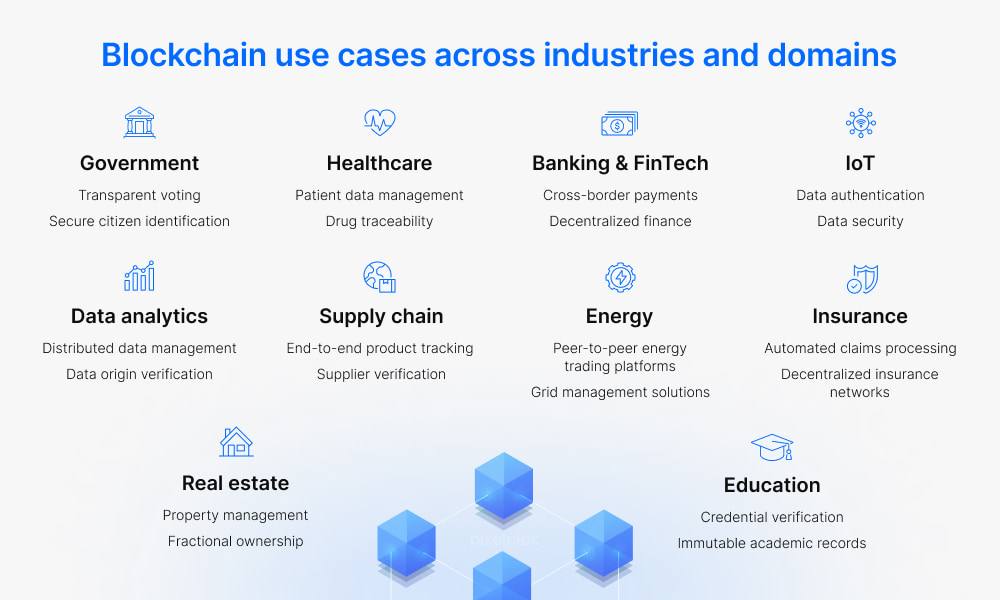
Top 5 Blockchain Use Cases Transforming Business in 2026
Blockchain technology has moved far beyond cryptocurrency. In 2026, businesses across industries are leveraging distributed ledger technology to solve real-world problems with transparency and security.
1. Supply Chain Management
Blockchain enables end-to-end visibility in supply chains. Companies can track products from manufacturer to consumer, reducing fraud and ensuring authenticity.
2. Smart Contracts
Self-executing contracts eliminate the need for intermediaries. Legal agreements, insurance claims, and real estate transactions are being automated through smart contracts.
3. Healthcare Records
Patient data stored on blockchain gives individuals control over their medical history while ensuring data integrity across hospitals and clinics.
4. Digital Identity Verification
Blockchain-based identity systems reduce identity theft and streamline KYC processes for banks and financial institutions.
5. Decentralized Finance
DeFi platforms are disrupting traditional banking by offering lending, borrowing, and trading without centralized institutions.
Blockchain is no longer a buzzword. It is a foundational technology reshaping how businesses operate in the digital age.

Best SEO Link Building Strategies for 2026
Link building remains one of the most important factors in search engine optimization. This guide covers the most effective strategies for acquiring high-quality backlinks in 2026.
Why Link Building Still Matters
Search engines use backlinks as a signal of trust and authority. Websites with strong backlink profiles consistently outperform competitors in organic search rankings.
Top Link Building Strategies
1. Guest Posting
Publishing articles on relevant third-party websites remains one of the most reliable ways to earn editorial backlinks. Focus on websites with genuine editorial standards and real audiences.
2. Digital PR
Creating newsworthy content that journalists and bloggers naturally want to reference generates powerful editorial links that are difficult to replicate through other means.
3. Niche Edits
Placing links within existing published content on relevant websites can deliver faster results than waiting for new content to be indexed.
Strategy Comparison
Strategy | Difficulty | Cost | Link Quality | Time to Results |
Guest Posting | Medium | Medium | High | 2 to 4 weeks |
Digital PR | High | High | Very High | 4 to 8 weeks |
Niche Edits | Low | Low | Medium | 1 to 2 weeks |
Broken Link Building | Medium | Low | High | 2 to 6 weeks |
Resource Pages | Medium | Low | High | 2 to 4 weeks |
Platform Comparison
Platform | Publisher Network | Best For | Pricing |
SerpInsight | Manually reviewed sites | Agencies and SEO teams | Competitive |
Getfluence | Premium media brands | Brand campaigns | Premium |
WhitePress | Large marketplace | Scalable outreach | Variable |
Key Takeaways
- Focus on relevance over domain authority alone
- Prioritize platforms with manually reviewed publishers
- Diversify your link profile across multiple strategies
- Track results over a 90-day window before making changes
Conclusion
Effective link building in 2026 requires a combination of strategies tailored to your industry, budget, and timeline. Platforms like SerpInsight make it easier to connect with quality publishers without the manual effort of traditional outreach.
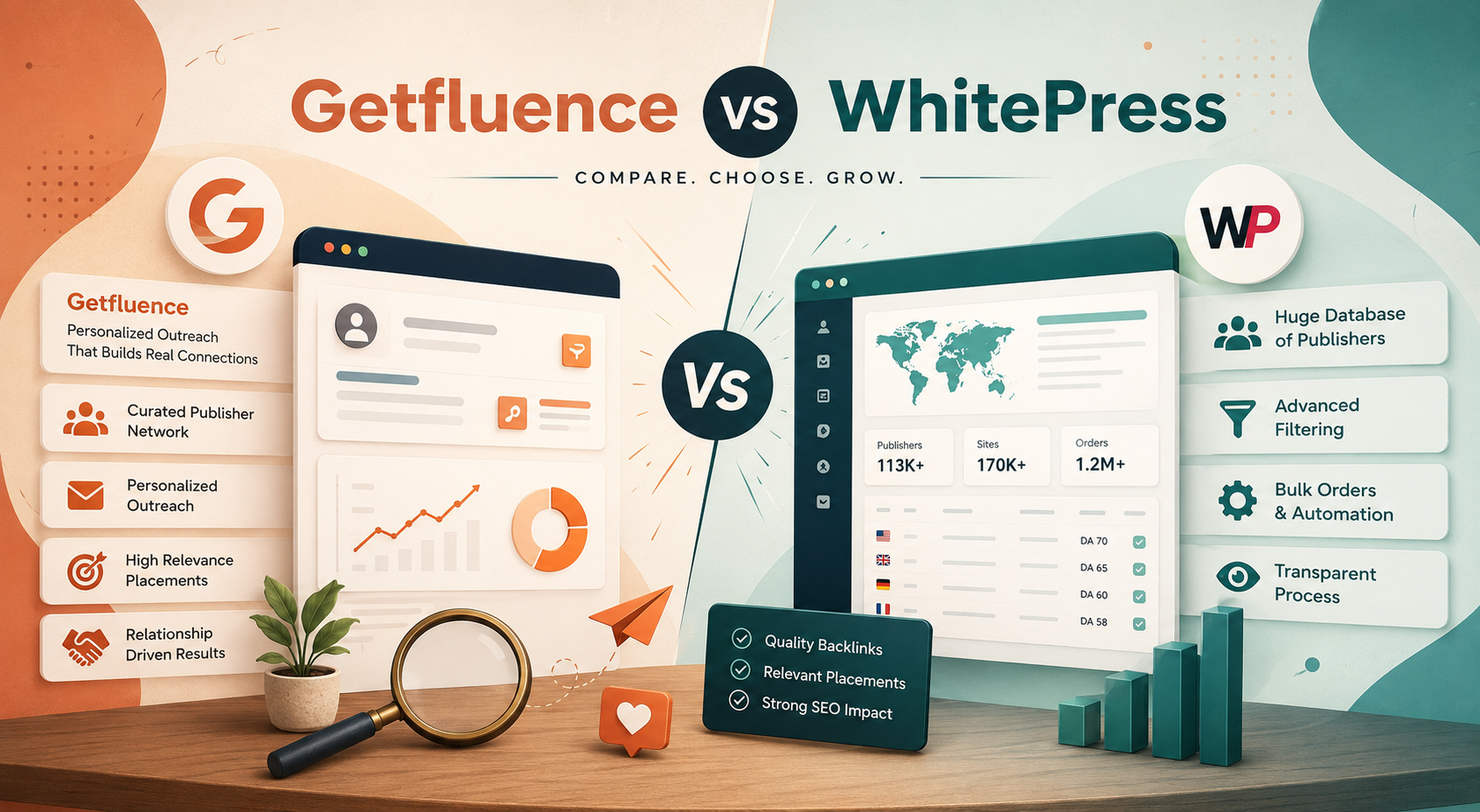
Getfluence vs WhitePress: Which Platform Is Better for Premium Publisher Outreach?
High-quality publisher outreach is about more than securing a backlink. It requires access to credible publications, transparent publisher information, and a workflow that helps marketers invest in placements capable of generating lasting SEO value.
Getfluence and WhitePress both connect businesses with third-party publishers, but they target different outreach strategies. Getfluence is known for its premium media network and brand-focused publications, while WhitePress offers a broader marketplace that gives SEO professionals greater flexibility when selecting guest posting opportunities.
This comparison explores where each platform excels, helping you determine which solution better supports your outreach goals, campaign scale, and long-term search performance.
Quick Comparison
Feature | Getfluence | WhitePress |
Core Focus | Premium sponsored content and media placements | Guest posting marketplace |
Publisher Network | Curated premium publications | Large international publisher database |
Campaign Type | Brand authority and digital PR | SEO-driven guest posting |
International Coverage | Strong presence in European markets | Wide global publisher coverage |
Publisher Selection | Curated inventory | Searchable marketplace |
Best For | Brands seeking premium editorial exposure | Agencies and SEO teams managing scalable outreach |
Two Platforms Built for Different Outreach Strategies
Although both services help businesses publish content on external websites, their philosophy toward publisher outreach differs from the outset.
Getfluence
Getfluence concentrates on connecting brands with established online publications that already possess strong editorial reputations. Instead of prioritizing marketplace volume, the platform focuses on maintaining a carefully selected portfolio of publishers where businesses can publish sponsored articles that complement broader brand-building initiatives.
This makes Getfluence particularly attractive for companies investing in reputation, credibility, and long-term authority rather than simply increasing backlink numbers.
Businesses comparing WhitePress alternatives for agency campaigns often include Getfluence when premium editorial visibility is a higher priority than marketplace size.
WhitePress
WhitePress takes a marketplace-driven approach by offering access to publishers across numerous industries, languages, and geographic regions. Users can browse, compare, and filter websites based on campaign requirements before choosing where to publish.
The platform is particularly useful for agencies that require flexibility across multiple client accounts, allowing outreach strategies to be adapted for different industries, budgets, and SEO objectives.
Its scalable marketplace makes it easier to execute recurring guest posting campaigns without relying on manual publisher sourcing.
Premium Publications or Marketplace Flexibility?
The biggest distinction between these platforms isn’t the number of publishers they offer—it’s how users discover and evaluate publishing opportunities.
Publisher Network and Editorial Standards
Comparison Area | Getfluence | WhitePress |
Publisher Quality | Focuses on established media brands and premium editorial websites with strong publishing reputations. | Offers a much broader selection of publishers spanning multiple industries and authority levels. |
Selection Philosophy | Prioritizes quality and exclusivity over marketplace volume. | Prioritizes publisher diversity, giving users more choice across different campaign types. |
Best Fit | Businesses seeking premium editorial exposure. | Agencies requiring flexibility across varied SEO campaigns. |
Key Insight: Getfluence is built around carefully selected premium publishers, while WhitePress gives marketers greater freedom to choose from a significantly larger marketplace.
How Publisher Discovery Differs
Finding the right publication shouldn’t feel like searching for a needle in a haystack. Both platforms simplify publisher discovery, but they do so using completely different approaches.
Finding the Right Publication
Comparison Area | Getfluence | WhitePress |
Research Experience | Presents a curated collection of publications, allowing businesses to focus on premium opportunities rather than sorting through extensive inventories. | Uses advanced filters that help agencies refine publisher searches according to SEO metrics, niche, country, language, and pricing. |
Decision Making | Encourages quality-first selection by limiting choices to carefully vetted publications. | Supports data-driven comparisons across a much larger publisher marketplace. |
Ideal User | Marketing teams running reputation-focused campaigns. | SEO professionals managing ongoing outreach campaigns for multiple clients. |
Businesses looking for a reliable contextual backlinks marketplace may appreciate WhitePress because its search capabilities make it easier to identify publishers that align closely with specific industries and content strategies.
Key Insight: Getfluence simplifies premium publisher discovery through curation, while WhitePress gives users the flexibility to build highly customized outreach campaigns from a broader marketplace.
Outreach Experience: Which Platform Fits Your Marketing Style?
The way a platform handles publisher outreach has a direct impact on campaign efficiency. Some businesses want a curated experience with fewer decisions, while others prefer having complete control over every placement.
Managing Publisher Outreach
Comparison Area | Getfluence | WhitePress |
Campaign Approach | Built around premium publication opportunities where the emphasis is placed on brand positioning and editorial credibility. | Designed for marketers who want to compare, shortlist, and purchase placements according to their own SEO strategy. |
Platform Experience | Reduces decision fatigue by concentrating on a carefully selected group of publishers. | Gives users greater freedom to customize campaigns using a much wider publisher inventory. |
Suitable For | Brands focused on quality-driven outreach. | Agencies and SEO specialists managing campaigns with different objectives and budgets. |
Key Insight: Getfluence simplifies premium outreach through curation, while WhitePress provides the flexibility required for highly customized SEO campaigns.
Scalability and Long-Term SEO Growth
A platform should support your current campaigns while remaining useful as your outreach strategy expands. The ability to scale without compromising publisher quality becomes increasingly important for growing businesses and agencies.
Supporting Business Growth
Comparison Area | Getfluence | WhitePress |
Campaign Expansion | Well suited for brands running selective outreach campaigns on high-quality publications. | Better equipped for agencies executing ongoing guest posting campaigns across multiple industries and regions. |
Publisher Availability | Focuses on maintaining a premium publisher portfolio rather than maximizing marketplace size. | Provides extensive publisher coverage, allowing campaigns to grow without quickly exhausting available opportunities. |
Growth Potential | Ideal for businesses emphasizing brand authority. | Ideal for organizations building long-term SEO programs at scale. |
Some marketers compare automated guest posting networks when searching for faster outreach solutions. While automation can improve efficiency, carefully selecting publishers remains one of the most important factors influencing backlink quality.
Key Insight: Growth isn’t simply about publishing more content, it’s about maintaining consistent quality as outreach efforts become larger and more complex.
Which Platform Delivers Better Value?
Budget should never be evaluated in isolation. The real return comes from securing placements that contribute to stronger rankings, increased visibility, and greater authority over time.
Comparing Overall Value
Comparison Area | Getfluence | WhitePress |
Investment Focus | Places greater emphasis on premium editorial exposure and established publications. | Balances publisher variety with campaign flexibility, allowing businesses to optimize spending across different objectives. |
Best Return | Strong choice for businesses investing in reputation and digital authority. | Better suited for organizations seeking scalable SEO growth through ongoing guest posting. |
Long-Term Benefit | Supports brand recognition alongside content distribution. | Supports continuous backlink acquisition through a broad publisher ecosystem. |
Businesses searching for cheap niche edit packages should remember that lower costs rarely guarantee stronger SEO results. Publisher relevance, editorial standards, and content quality have a much greater influence on long-term performance than price alone.
Key Insight: The better investment is the platform that consistently aligns with your marketing objectives, not necessarily the one offering the lowest publishing costs.
Which Businesses Should Choose Each Platform?
The right platform depends on what you’re trying to accomplish rather than which service has more features.
Choose Getfluence if you:
- Prioritize premium editorial publications.
- Want to strengthen brand credibility through established media websites.
- Run digital PR and reputation-building campaigns.
- Prefer a curated publisher experience.
Choose WhitePress if you:
- Manage ongoing guest posting campaigns.
- Need access to publishers across multiple industries and countries.
- Prefer detailed filtering and publisher comparison tools.
- Handle SEO for several clients simultaneously.
Each platform performs well within its own area of expertise, making the decision largely dependent on your outreach strategy.
Considering Another Approach
Many businesses eventually discover that successful outreach depends less on marketplace size and more on publisher relevance. Carefully reviewing websites before placing an order often produces stronger long-term SEO outcomes than simply choosing publishers based on metrics or brand recognition.
For agencies managing local SEO link building campaigns, publisher relevance within a specific geographic market can be far more valuable than securing placements on larger but less targeted websites. Likewise, marketers evaluating automated link insertion platforms should ensure that automation never replaces thoughtful publisher selection.
Platforms like SerpInsight address this challenge by emphasizing manually reviewed publishers, transparent quality standards, and relevance-first outreach. This approach allows agencies to focus on placements that support sustainable search visibility rather than short-term link acquisition.
Which Platform Is Better for Premium Publisher Outreach?
Getfluence and WhitePress both provide access to quality publications, but they solve different marketing challenges.
Getfluence stands out for businesses seeking carefully curated media placements that strengthen brand authority and corporate visibility through premium publications.
WhitePress is better suited for SEO professionals and agencies that require flexibility, extensive publisher choice, and the ability to manage scalable outreach campaigns across different industries.
The stronger platform isn’t determined by the number of publishers it offers. It’s the one that helps you consistently publish on websites that align with your marketing goals, reach the right audience, and contribute meaningful long-term value to your SEO strategy.
Frequently Asked Questions
1. Is Getfluence better than WhitePress for premium publisher outreach?
Getfluence is often the better choice for brands seeking placements on premium editorial publications, while WhitePress offers greater flexibility for SEO-focused outreach campaigns.
2. Which platform is more suitable for SEO agencies?
WhitePress is generally better suited for SEO agencies because it provides a larger publisher marketplace and advanced filtering options for managing multiple campaigns.
3. Does Getfluence focus on digital PR or guest posting?
Getfluence primarily focuses on sponsored content and digital PR, helping businesses publish on established media websites to improve brand visibility.
4. Can WhitePress be used for local SEO campaigns?
Yes. WhitePress allows users to filter publishers by country, language, and niche, making it a practical option for targeted local SEO link-building campaigns.

Best SEO Link Building Strategies for 2026 (Live 1 under Bulk Projects)

Best SEO Link Building Strategies for 2026 (Live 5)

Best SEO Link Building Strategies for 2026 (Live 4)

Best SEO Link Building Strategies for 2026 (Live 3)

Best SEO Link Building Strategies for 2026 (Live 3)

Best SEO Link Building Strategies for 2026 (Live 2)

Best SEO Link Building Strategies for 2026 (Live)

Top 5 Blockchain Use Cases Transforming Business in 2026

Best SEO Link Building Strategies for 2026 Part 2

Best SEO Link Building Strategies for 2026

Best SEO Link Building Strategies for 2026

Accessily Review: An Honest Look at Its Guest Posting Marketplace

LinkHouse vs Adsy: Which Guest Posting Service Is Worth Your Budget?

Top 5 Blockchain Use Cases Transforming Business in 2026

Top 5 Blockchain Use Cases Transforming Business in 2026

Best SEO Link Building Strategies for 2026

Best SEO Link Building Strategies for 2026

Getfluence vs WhitePress: Which Platform Is Better for Premium Publisher Outreach?
Test Auto Publish Google Doc Post 2

Top Marketing Automation Tools to Watch in 2025

Choosing the Right Web Hosting Plan for Your Start-up: A Comprehensive Guide

The Role of AI in Predicting Future Cyber Threats

The Future of Real Estate Transactions with Smart Contracts

Emerging Trends in Web Hosting: What to Expect in 2025

Exploring the Environmental Impacts of Blockchain Technology

The Impact of Cryptocurrency on E-commerce Payment Solutions

Leveraging Augmented Reality to Enhance the Online Shopping Experience

Exploring the Benefits of Cloud-Based Web Hosting Solutions

How AI is Changing the Face of Cloud Computing

Best Practices for Securing Your Remote Workforce in 2025

The Impact of Edge Computing on Cloud Services

How User-Generated Content is Shaping Brand Authenticity

Cloud-Native Applications: Why They’re Essential for Today’s Enterprises

Navigating the Aftermath of a Data Breach in Today’s Digital Age

2025 Trends in Cloud Security: Keeping Your Data Safe

Blockchain’s Impact on Global Financial Inclusion Efforts

How Blockchain is Transforming the Gaming Industry
Top Marketing Automation Tools to Watch in 2025

Data-Driven Marketing: Harnessing Analytics for Better Outcomes

The Importance of Green Web Hosting in Reducing Your Carbon Footprint
-
 Web Hosting2 years ago
Choosing the Right Web Hosting Plan for Your Start-up: A Comprehensive Guide
-
 Cybersecurity2 years ago
The Role of AI in Predicting Future Cyber Threats
-
 Blockchain1 year ago
The Future of Real Estate Transactions with Smart Contracts
-
 Web Hosting1 year ago
Emerging Trends in Web Hosting: What to Expect in 2025
-
 Blockchain1 year ago
Exploring the Environmental Impacts of Blockchain Technology
-
 E-commerce1 year ago
The Impact of Cryptocurrency on E-commerce Payment Solutions
-
 E-commerce2 years ago
Leveraging Augmented Reality to Enhance the Online Shopping Experience
-
 Web Hosting2 years ago
Exploring the Benefits of Cloud-Based Web Hosting Solutions