Marketing
How User-Generated Content is Shaping Brand Authenticity


User-generated content (UGC) is transforming the landscape of brand authenticity in the digital marketing world. As consumers seek genuine interactions and real-world experiences over traditional marketing tactics, brands are increasingly turning to UGC to build trust and engagement. This shift is not just a trend; it’s a powerful strategy for marketers looking to enhance brand credibility and foster a community-centric approach. Let’s delve into how user-generated content is reshaping brand authenticity.
The Rise of User-Generated Content
The digital age has paved the way for consumers to become both creators and influencers. With platforms like Instagram, TikTok, and Twitter, users are not only sharing their personal stories but also generating content that reflects their experiences with brands. This content ranges from reviews and testimonials to photos and videos showcasing product usage in real life.
Empowering Consumer Voices
One of the key drivers of user-generated content is the empowerment of consumer voices. Individuals are more likely to trust the opinions of other consumers over traditional advertisements. According to recent studies, over 90% of consumers rely on UGC to guide their purchasing decisions, proving its effectiveness in maintaining brand authenticity.
Cost-Effective Marketing Strategy
UGC offers a cost-effective way for businesses to promote their products. Instead of investing heavily in expensive marketing campaigns, brands can leverage the content created by their users. This not only reduces marketing costs but also provides real and relatable content that resonates more with potential customers.
Enhancing Brand Authenticity
Brand authenticity is crucial in today’s competitive market. Consumers are drawn to brands that display sincerity, reliability, and transparency. UGC plays a significant role in enhancing these qualities by showcasing genuine consumer interactions and experiences.
Building Trust and Credibility
When brands feature user-generated content, it signals to potential customers that they have a satisfied client base willing to vouch for their products. This fosters a sense of community and trust as users feel their voices and opinions matter. Featuring UGC in marketing strategies sends a powerful message of credibility and allows brands to connect with their audience on a personal level.
Creating Relatable Content
UGC helps in creating relatable and authentic content. Instead of polished advertisements, customers get to see how products fit into real lives, making them more relatable and attainable. This form of raw, unfiltered content generated by users makes brands appear more human and approachable.
How to Leverage User-Generated Content
Marketers can effectively use UGC to enhance their brand strategy and authenticity by implementing a few key tactics.
Encourage and Reward Participation
Brands can encourage their customers to create and share content by hosting contests or offering incentives. This not only increases engagement but also motivates more users to contribute, thereby expanding the pool of authentic content available to utilize in marketing efforts.
Incorporate UGC Across Platforms
Integrating user-generated content across various marketing platforms helps maintain consistency in messaging and enhances brand storytelling. Whether it’s on social media, websites, or advertising campaigns, UGC should be an integral part of the marketing ecosystem to ensure its full impact is realized.
Conclusion
User-generated content is a formidable tool in shaping brand authenticity. By harnessing the power of consumer voices, brands can maintain a steady stream of authentic content that resonates with wider audiences, builds credibility, and fosters trust. As the digital landscape continues to evolve, leveraging UGC will remain an essential strategy for brands aiming to stay relevant and genuine.

Tab 1
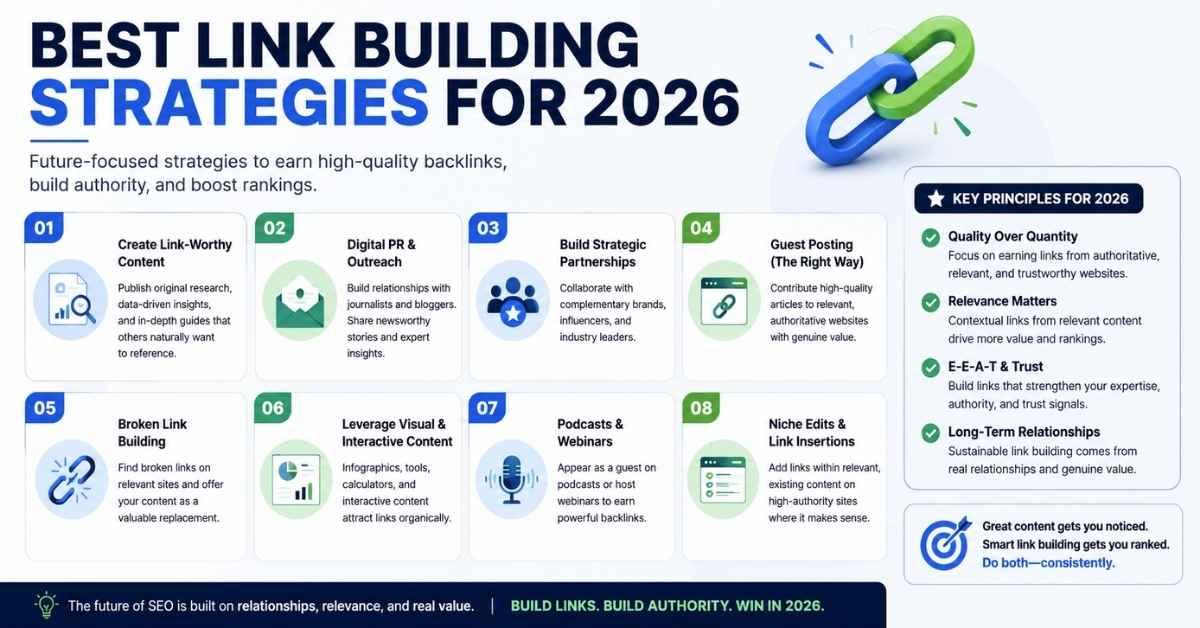
Best SEO Link Building Strategies for 2026 (Live 1 under Bulk Projects)
Link building remains one of the most important factors in search engine optimization. This guide covers the most effective strategies for acquiring high-quality backlinks in 2026.
Why Link Building Still Matters
Search engines use backlinks as a signal of trust and authority. Websites with strong backlink profiles consistently outperform competitors in organic search rankings.
Top Link Building Strategies
1. Guest Posting
Publishing articles on relevant third-party websites remains one of the most reliable ways to earn editorial backlinks. Focus on websites with genuine editorial standards and real audiences.
2. Digital PR
Creating newsworthy content that journalists and bloggers naturally want to reference generates powerful editorial links that are difficult to replicate through other means.
3. Niche Edits
Placing links within existing published content on relevant websites can deliver faster results than waiting for new content to be indexed.
Strategy Comparison
Strategy | Difficulty | Cost | Link Quality | Time to Results |
Guest Posting | Medium | Medium | High | 2 to 4 weeks |
Digital PR | High | High | Very High | 4 to 8 weeks |
Niche Edits | Low | Low | Medium | 1 to 2 weeks |
Broken Link Building | Medium | Low | High | 2 to 6 weeks |
Resource Pages | Medium | Low | High | 2 to 4 weeks |
Platform Comparison
Platform | Publisher Network | Best For | Pricing |
SerpInsight | Manually reviewed sites | Agencies and SEO teams | Competitive |
Getfluence | Premium media brands | Brand campaigns | Premium |
WhitePress | Large marketplace | Scalable outreach | Variable |
Key Takeaways
- Focus on relevance over domain authority alone
- Prioritize platforms with manually reviewed publishers
- Diversify your link profile across multiple strategies
- Track results over a 90-day window before making changes
Conclusion
Effective link building in 2026 requires a combination of strategies tailored to your industry, budget, and timeline. Platforms like SerpInsight make it easier to connect with quality publishers without the manual effort of traditional outreach.

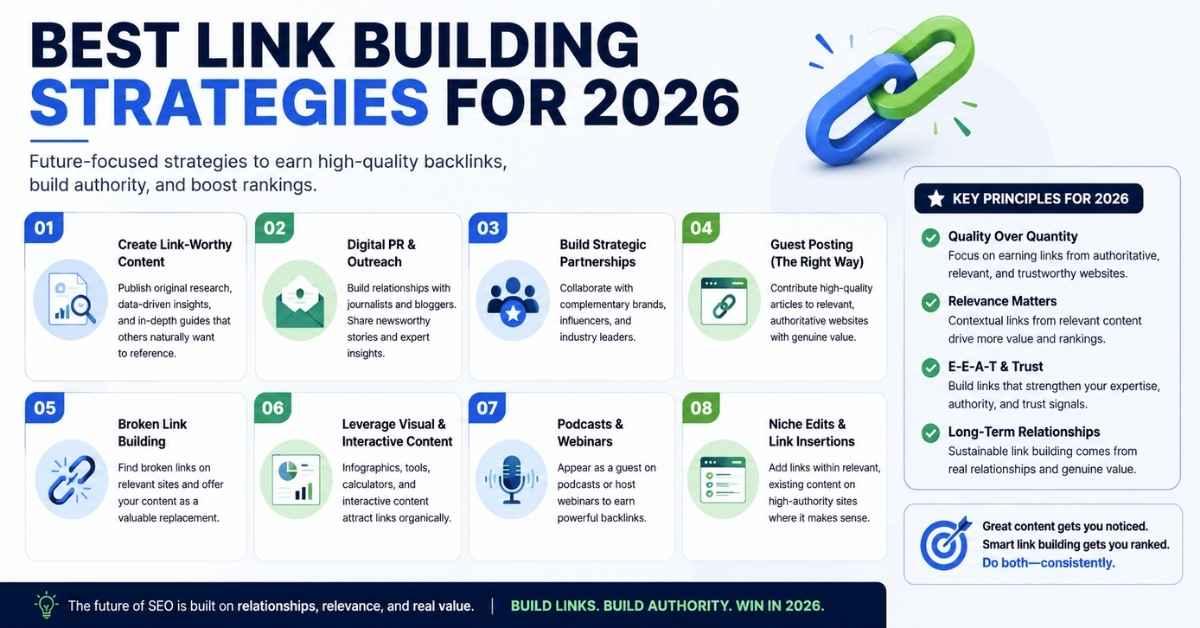
Best SEO Link Building Strategies for 2026 (Live 5)
Link building remains one of the most important factors in search engine optimization. This guide covers the most effective strategies for acquiring high-quality backlinks in 2026.
Why Link Building Still Matters
Search engines use backlinks as a signal of trust and authority. Websites with strong backlink profiles consistently outperform competitors in organic search rankings.
Top Link Building Strategies
1. Guest Posting
Publishing articles on relevant third-party websites remains one of the most reliable ways to earn editorial backlinks. Focus on websites with genuine editorial standards and real audiences.
2. Digital PR
Creating newsworthy content that journalists and bloggers naturally want to reference generates powerful editorial links that are difficult to replicate through other means.
3. Niche Edits
Placing links within existing published content on relevant websites can deliver faster results than waiting for new content to be indexed.
Strategy Comparison
Strategy | Difficulty | Cost | Link Quality | Time to Results |
Guest Posting | Medium | Medium | High | 2 to 4 weeks |
Digital PR | High | High | Very High | 4 to 8 weeks |
Niche Edits | Low | Low | Medium | 1 to 2 weeks |
Broken Link Building | Medium | Low | High | 2 to 6 weeks |
Resource Pages | Medium | Low | High | 2 to 4 weeks |
Platform Comparison
Platform | Publisher Network | Best For | Pricing |
SerpInsight | Manually reviewed sites | Agencies and SEO teams | Competitive |
Getfluence | Premium media brands | Brand campaigns | Premium |
WhitePress | Large marketplace | Scalable outreach | Variable |
Key Takeaways
- Focus on relevance over domain authority alone
- Prioritize platforms with manually reviewed publishers
- Diversify your link profile across multiple strategies
- Track results over a 90-day window before making changes
Conclusion
Effective link building in 2026 requires a combination of strategies tailored to your industry, budget, and timeline. Platforms like SerpInsight make it easier to connect with quality publishers without the manual effort of traditional outreach.
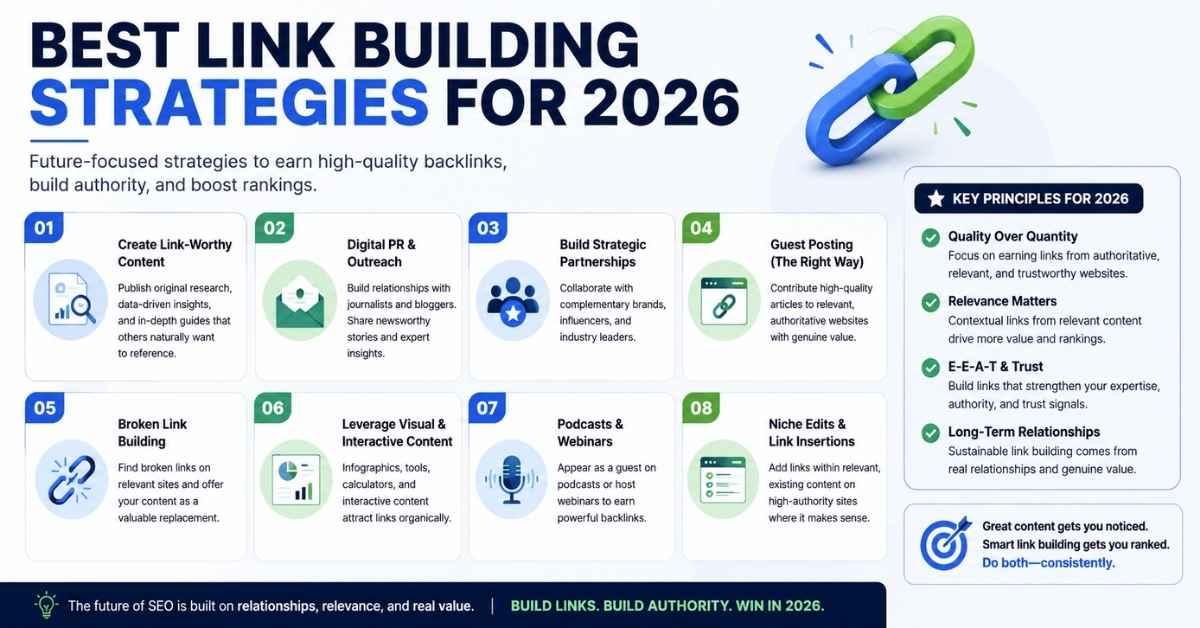
Best SEO Link Building Strategies for 2026 (Live 4)
Link building remains one of the most important factors in search engine optimization. This guide covers the most effective strategies for acquiring high-quality backlinks in 2026.
Why Link Building Still Matters
Search engines use backlinks as a signal of trust and authority. Websites with strong backlink profiles consistently outperform competitors in organic search rankings.
Top Link Building Strategies
1. Guest Posting
Publishing articles on relevant third-party websites remains one of the most reliable ways to earn editorial backlinks. Focus on websites with genuine editorial standards and real audiences.
2. Digital PR
Creating newsworthy content that journalists and bloggers naturally want to reference generates powerful editorial links that are difficult to replicate through other means.
3. Niche Edits
Placing links within existing published content on relevant websites can deliver faster results than waiting for new content to be indexed.
Strategy Comparison
Strategy | Difficulty | Cost | Link Quality | Time to Results |
Guest Posting | Medium | Medium | High | 2 to 4 weeks |
Digital PR | High | High | Very High | 4 to 8 weeks |
Niche Edits | Low | Low | Medium | 1 to 2 weeks |
Broken Link Building | Medium | Low | High | 2 to 6 weeks |
Resource Pages | Medium | Low | High | 2 to 4 weeks |
Platform Comparison
Platform | Publisher Network | Best For | Pricing |
SerpInsight | Manually reviewed sites | Agencies and SEO teams | Competitive |
Getfluence | Premium media brands | Brand campaigns | Premium |
WhitePress | Large marketplace | Scalable outreach | Variable |
Key Takeaways
- Focus on relevance over domain authority alone
- Prioritize platforms with manually reviewed publishers
- Diversify your link profile across multiple strategies
- Track results over a 90-day window before making changes
Conclusion
Effective link building in 2026 requires a combination of strategies tailored to your industry, budget, and timeline. Platforms like SerpInsight make it easier to connect with quality publishers without the manual effort of traditional outreach.

Best SEO Link Building Strategies for 2026 (Live 1 under Bulk Projects)

Best SEO Link Building Strategies for 2026 (Live 5)

Best SEO Link Building Strategies for 2026 (Live 4)

Best SEO Link Building Strategies for 2026 (Live 3)

Best SEO Link Building Strategies for 2026 (Live 3)

Best SEO Link Building Strategies for 2026 (Live 2)

Best SEO Link Building Strategies for 2026 (Live)

Top 5 Blockchain Use Cases Transforming Business in 2026

Best SEO Link Building Strategies for 2026 Part 2

Best SEO Link Building Strategies for 2026

Best SEO Link Building Strategies for 2026

Accessily Review: An Honest Look at Its Guest Posting Marketplace

LinkHouse vs Adsy: Which Guest Posting Service Is Worth Your Budget?

Top 5 Blockchain Use Cases Transforming Business in 2026

Top 5 Blockchain Use Cases Transforming Business in 2026

Best SEO Link Building Strategies for 2026

Best SEO Link Building Strategies for 2026

Getfluence vs WhitePress: Which Platform Is Better for Premium Publisher Outreach?
Test Auto Publish Google Doc Post 2

Top Marketing Automation Tools to Watch in 2025

Choosing the Right Web Hosting Plan for Your Start-up: A Comprehensive Guide

The Role of AI in Predicting Future Cyber Threats

Emerging Trends in Web Hosting: What to Expect in 2025

The Future of Real Estate Transactions with Smart Contracts

Exploring the Environmental Impacts of Blockchain Technology

The Impact of Cryptocurrency on E-commerce Payment Solutions

Leveraging Augmented Reality to Enhance the Online Shopping Experience

Exploring the Benefits of Cloud-Based Web Hosting Solutions

How AI is Changing the Face of Cloud Computing

How User-Generated Content is Shaping Brand Authenticity

Best Practices for Securing Your Remote Workforce in 2025

Cloud-Native Applications: Why They’re Essential for Today’s Enterprises

Navigating the Aftermath of a Data Breach in Today’s Digital Age

The Impact of Edge Computing on Cloud Services

2025 Trends in Cloud Security: Keeping Your Data Safe

Blockchain’s Impact on Global Financial Inclusion Efforts

How Blockchain is Transforming the Gaming Industry
Top Marketing Automation Tools to Watch in 2025

Data-Driven Marketing: Harnessing Analytics for Better Outcomes

The Importance of Green Web Hosting in Reducing Your Carbon Footprint
-
 Web Hosting2 years ago
Choosing the Right Web Hosting Plan for Your Start-up: A Comprehensive Guide
-
 Cybersecurity2 years ago
The Role of AI in Predicting Future Cyber Threats
-
 Web Hosting1 year ago
Emerging Trends in Web Hosting: What to Expect in 2025
-
 Blockchain1 year ago
The Future of Real Estate Transactions with Smart Contracts
-
 Blockchain1 year ago
Exploring the Environmental Impacts of Blockchain Technology
-
 E-commerce1 year ago
The Impact of Cryptocurrency on E-commerce Payment Solutions
-
 E-commerce2 years ago
Leveraging Augmented Reality to Enhance the Online Shopping Experience
-
 Web Hosting2 years ago
Exploring the Benefits of Cloud-Based Web Hosting Solutions