
Marketing
Becoming a Storyteller: Enhancing Brand Engagement through Narratives

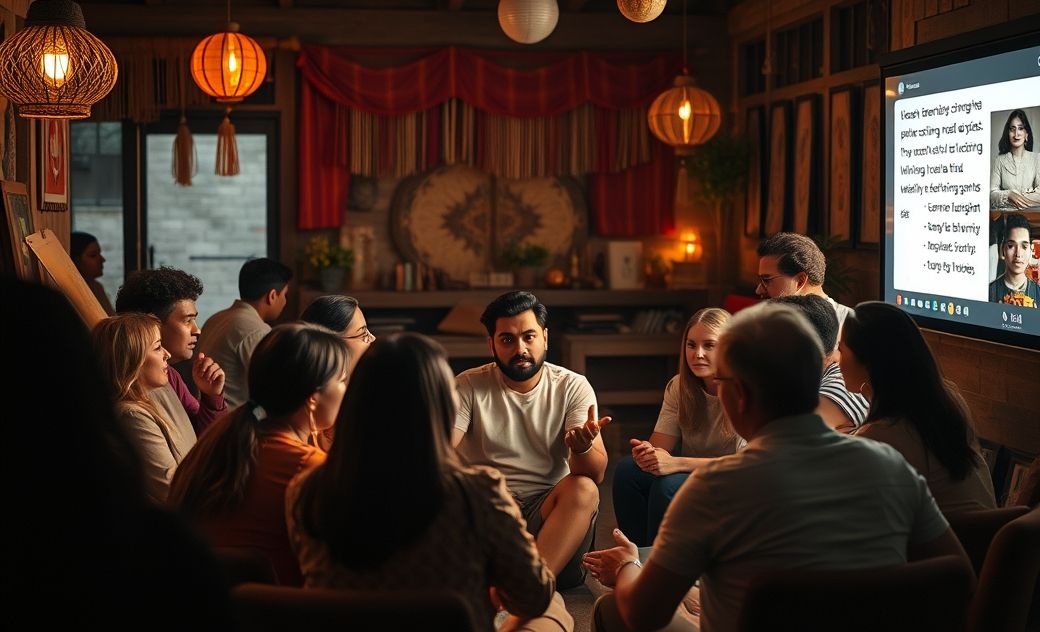
In the dynamic landscape of modern marketing, storytelling has emerged as a powerful tool for enhancing brand engagement. As brands seek to connect more deeply with their audiences, they realize the importance of weaving captivating narratives that resonate, inspire, and evoke emotion.
Why Storytelling Matters in Marketing
Storytelling in marketing transcends mere promotion, serving as a bridge between a brand and its consumers. When effectively executed, it creates an emotional connection, making a brand memorable and relatable. This connection fosters trust, encourages community building, and differentiates a brand in a crowded market.
Crafting a Compelling Brand Narrative
Identify Your Brand’s Core Values
Begin by reflecting on what your brand stands for. Core values should be at the heart of your narrative, guiding the themes and messages you decide to communicate. These values not only shape stories but also align your marketing strategies with your brand’s mission and vision, ensuring authenticity.
Know Your Audience
An essential part of storytelling is understanding who you’re telling your story to. Conduct thorough market research to identify your target audience’s preferences, interests, and pain points. Craft stories that speak directly to their needs, making them feel seen and heard.
Create Relatable Characters
People connect with stories through characters. Develop characters that your audience can identify with or aspire to be. This connection not only enhances engagement but also personalizes the brand experience, turning abstract concepts into tangible emotions and experiences.
Formats for Brand Storytelling
Visual Storytelling
Visuals are a compelling medium for storytelling, capable of capturing attention instantly. Use images, infographics, or videos to convey your narrative. Platforms like Instagram, TikTok, and YouTube are ideal for visual storytelling, allowing brands to reach broader audiences with creative, engaging content.
Interactive Content
Engagement is heightened when audiences can interact with stories. Quizzes, polls, and interactive videos invite audiences to become part of the story. This participation boosts engagement levels and makes the storytelling experience more memorable.
User-Generated Content
Encourage your audience to share their stories or experiences with your brand. User-generated content serves as authentic endorsements and adds diverse perspectives to your narrative. Sharing these stories strengthens community ties and solidifies consumer trust.
Measuring the Impact of Storytelling
Monitor Engagement Metrics
Evaluate the effectiveness of your storytelling by tracking metrics such as likes, shares, comments, and views. These metrics provide insight into how well your narrative resonates with audiences. Adjust your strategies based on these findings to optimize future storytelling efforts.
Analyze Customer Feedback
Pay attention to customer feedback in comments, reviews, and messages. These interactions offer qualitative data that reveal the emotional impact and effectiveness of your storytelling. Listening to your audience will help refine your narratives to better meet their expectations and desires.
Conclusion
Incorporating storytelling into your brand strategy is no longer optional—it’s imperative. By crafting and sharing meaningful narratives, brands can foster deeper connections with their audiences. This engagement not only enhances brand loyalty but also encourages consumers to become advocates, sharing and extending the reach of your story. As you embark on your storytelling journey, remember to remain authentic, insightful, and responsive to your audience’s evolving needs.
Tab 1
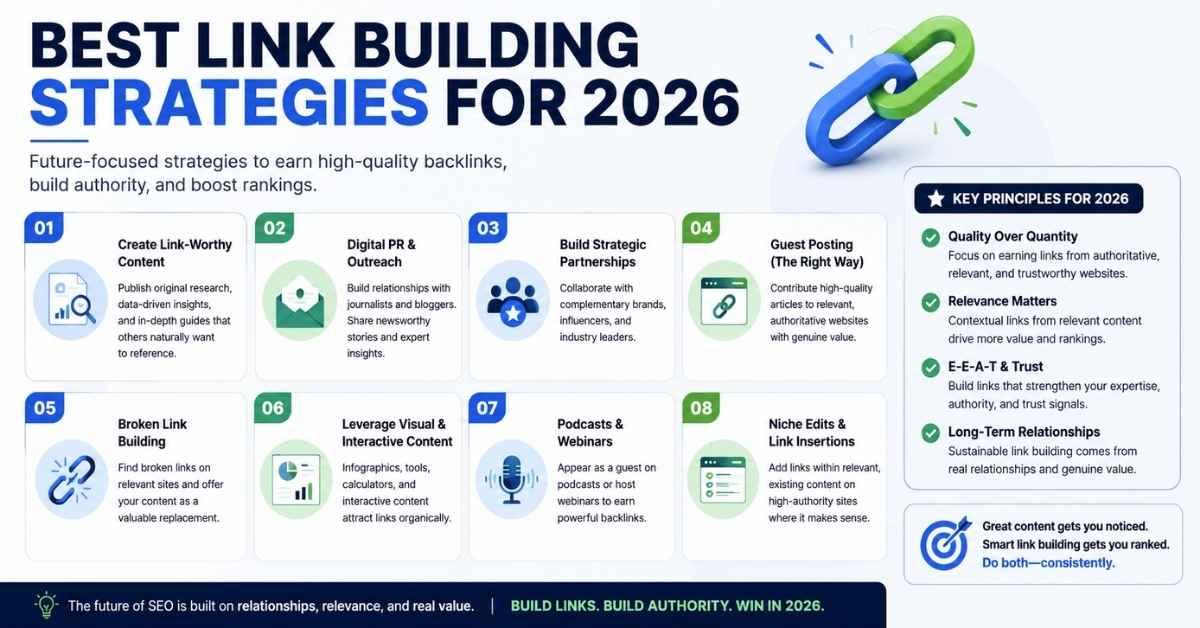
Best SEO Link Building Strategies for 2026 (Live 1 under Bulk Projects)
Link building remains one of the most important factors in search engine optimization. This guide covers the most effective strategies for acquiring high-quality backlinks in 2026.
Why Link Building Still Matters
Search engines use backlinks as a signal of trust and authority. Websites with strong backlink profiles consistently outperform competitors in organic search rankings.
Top Link Building Strategies
1. Guest Posting
Publishing articles on relevant third-party websites remains one of the most reliable ways to earn editorial backlinks. Focus on websites with genuine editorial standards and real audiences.
2. Digital PR
Creating newsworthy content that journalists and bloggers naturally want to reference generates powerful editorial links that are difficult to replicate through other means.
3. Niche Edits
Placing links within existing published content on relevant websites can deliver faster results than waiting for new content to be indexed.
Strategy Comparison
Strategy | Difficulty | Cost | Link Quality | Time to Results |
Guest Posting | Medium | Medium | High | 2 to 4 weeks |
Digital PR | High | High | Very High | 4 to 8 weeks |
Niche Edits | Low | Low | Medium | 1 to 2 weeks |
Broken Link Building | Medium | Low | High | 2 to 6 weeks |
Resource Pages | Medium | Low | High | 2 to 4 weeks |
Platform Comparison
Platform | Publisher Network | Best For | Pricing |
SerpInsight | Manually reviewed sites | Agencies and SEO teams | Competitive |
Getfluence | Premium media brands | Brand campaigns | Premium |
WhitePress | Large marketplace | Scalable outreach | Variable |
Key Takeaways
- Focus on relevance over domain authority alone
- Prioritize platforms with manually reviewed publishers
- Diversify your link profile across multiple strategies
- Track results over a 90-day window before making changes
Conclusion
Effective link building in 2026 requires a combination of strategies tailored to your industry, budget, and timeline. Platforms like SerpInsight make it easier to connect with quality publishers without the manual effort of traditional outreach.

Best SEO Link Building Strategies for 2026 (Live 5)
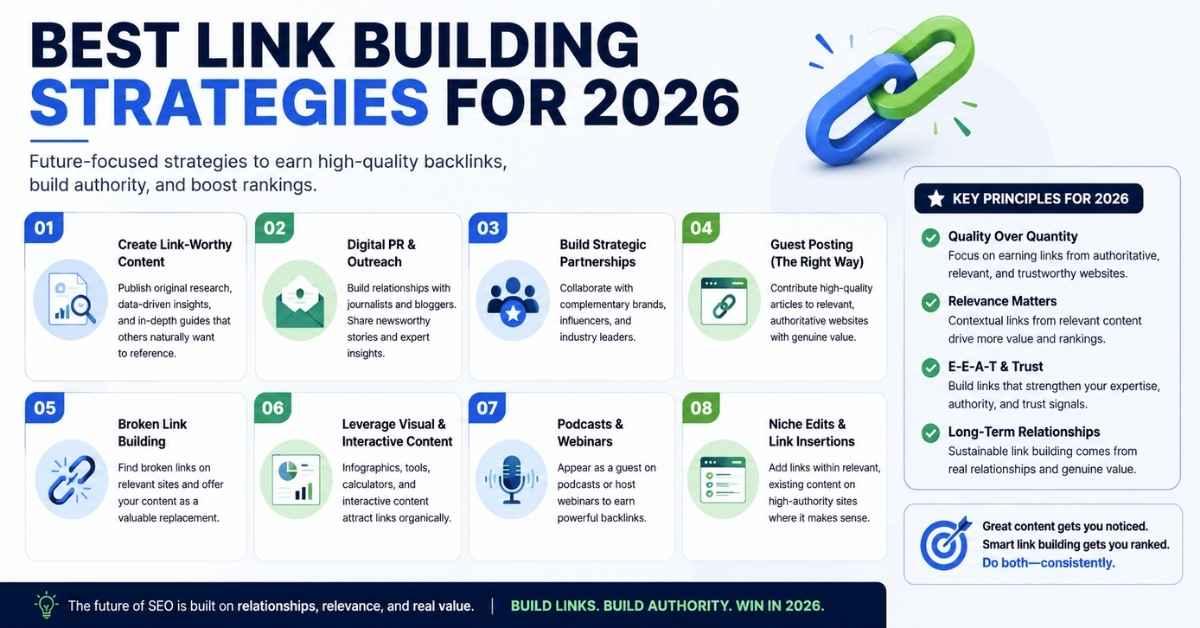
Link building remains one of the most important factors in search engine optimization. This guide covers the most effective strategies for acquiring high-quality backlinks in 2026.
Why Link Building Still Matters
Search engines use backlinks as a signal of trust and authority. Websites with strong backlink profiles consistently outperform competitors in organic search rankings.
Top Link Building Strategies
1. Guest Posting
Publishing articles on relevant third-party websites remains one of the most reliable ways to earn editorial backlinks. Focus on websites with genuine editorial standards and real audiences.
2. Digital PR
Creating newsworthy content that journalists and bloggers naturally want to reference generates powerful editorial links that are difficult to replicate through other means.
3. Niche Edits
Placing links within existing published content on relevant websites can deliver faster results than waiting for new content to be indexed.
Strategy Comparison
Strategy | Difficulty | Cost | Link Quality | Time to Results |
Guest Posting | Medium | Medium | High | 2 to 4 weeks |
Digital PR | High | High | Very High | 4 to 8 weeks |
Niche Edits | Low | Low | Medium | 1 to 2 weeks |
Broken Link Building | Medium | Low | High | 2 to 6 weeks |
Resource Pages | Medium | Low | High | 2 to 4 weeks |
Platform Comparison
Platform | Publisher Network | Best For | Pricing |
SerpInsight | Manually reviewed sites | Agencies and SEO teams | Competitive |
Getfluence | Premium media brands | Brand campaigns | Premium |
WhitePress | Large marketplace | Scalable outreach | Variable |
Key Takeaways
- Focus on relevance over domain authority alone
- Prioritize platforms with manually reviewed publishers
- Diversify your link profile across multiple strategies
- Track results over a 90-day window before making changes
Conclusion
Effective link building in 2026 requires a combination of strategies tailored to your industry, budget, and timeline. Platforms like SerpInsight make it easier to connect with quality publishers without the manual effort of traditional outreach.
Best SEO Link Building Strategies for 2026 (Live 4)
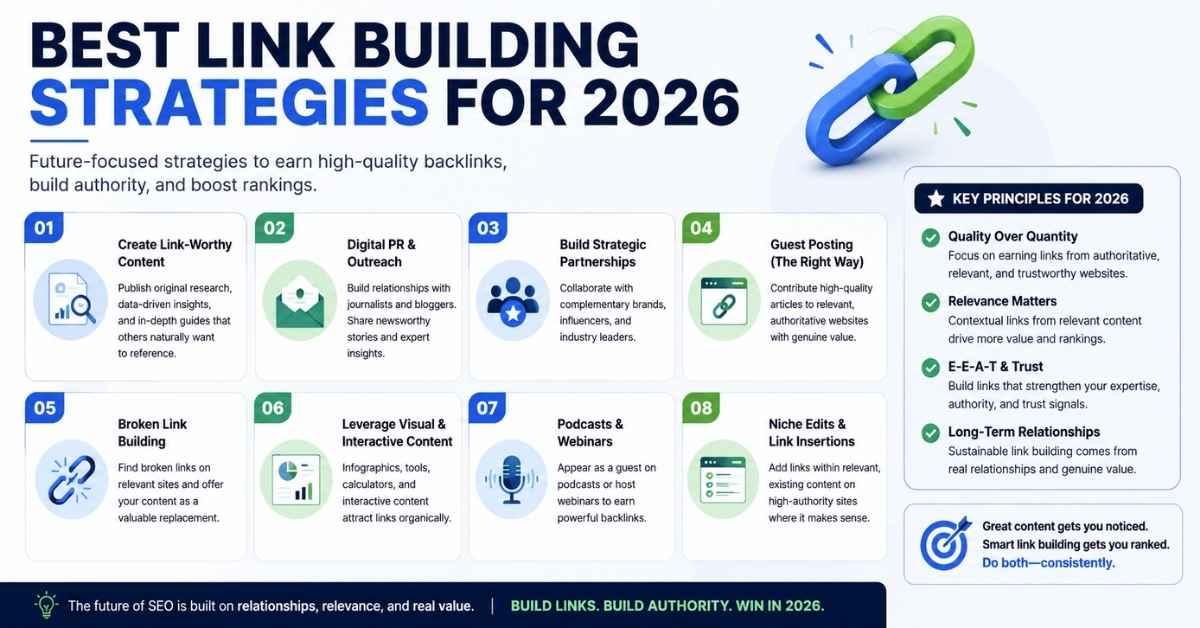
Link building remains one of the most important factors in search engine optimization. This guide covers the most effective strategies for acquiring high-quality backlinks in 2026.
Why Link Building Still Matters
Search engines use backlinks as a signal of trust and authority. Websites with strong backlink profiles consistently outperform competitors in organic search rankings.
Top Link Building Strategies
1. Guest Posting
Publishing articles on relevant third-party websites remains one of the most reliable ways to earn editorial backlinks. Focus on websites with genuine editorial standards and real audiences.
2. Digital PR
Creating newsworthy content that journalists and bloggers naturally want to reference generates powerful editorial links that are difficult to replicate through other means.
3. Niche Edits
Placing links within existing published content on relevant websites can deliver faster results than waiting for new content to be indexed.
Strategy Comparison
Strategy | Difficulty | Cost | Link Quality | Time to Results |
Guest Posting | Medium | Medium | High | 2 to 4 weeks |
Digital PR | High | High | Very High | 4 to 8 weeks |
Niche Edits | Low | Low | Medium | 1 to 2 weeks |
Broken Link Building | Medium | Low | High | 2 to 6 weeks |
Resource Pages | Medium | Low | High | 2 to 4 weeks |
Platform Comparison
Platform | Publisher Network | Best For | Pricing |
SerpInsight | Manually reviewed sites | Agencies and SEO teams | Competitive |
Getfluence | Premium media brands | Brand campaigns | Premium |
WhitePress | Large marketplace | Scalable outreach | Variable |
Key Takeaways
- Focus on relevance over domain authority alone
- Prioritize platforms with manually reviewed publishers
- Diversify your link profile across multiple strategies
- Track results over a 90-day window before making changes
Conclusion
Effective link building in 2026 requires a combination of strategies tailored to your industry, budget, and timeline. Platforms like SerpInsight make it easier to connect with quality publishers without the manual effort of traditional outreach.

Best SEO Link Building Strategies for 2026 (Live 1 under Bulk Projects)

Best SEO Link Building Strategies for 2026 (Live 5)

Best SEO Link Building Strategies for 2026 (Live 4)

Best SEO Link Building Strategies for 2026 (Live 3)

Best SEO Link Building Strategies for 2026 (Live 3)

Best SEO Link Building Strategies for 2026 (Live 2)

Best SEO Link Building Strategies for 2026 (Live)

Top 5 Blockchain Use Cases Transforming Business in 2026

Best SEO Link Building Strategies for 2026 Part 2

Best SEO Link Building Strategies for 2026

Best SEO Link Building Strategies for 2026

Accessily Review: An Honest Look at Its Guest Posting Marketplace

LinkHouse vs Adsy: Which Guest Posting Service Is Worth Your Budget?

Top 5 Blockchain Use Cases Transforming Business in 2026

Top 5 Blockchain Use Cases Transforming Business in 2026

Best SEO Link Building Strategies for 2026

Best SEO Link Building Strategies for 2026

Getfluence vs WhitePress: Which Platform Is Better for Premium Publisher Outreach?
Test Auto Publish Google Doc Post 2

Top Marketing Automation Tools to Watch in 2025

Choosing the Right Web Hosting Plan for Your Start-up: A Comprehensive Guide

The Role of AI in Predicting Future Cyber Threats

Emerging Trends in Web Hosting: What to Expect in 2025

The Future of Real Estate Transactions with Smart Contracts

Exploring the Environmental Impacts of Blockchain Technology

The Impact of Cryptocurrency on E-commerce Payment Solutions

Leveraging Augmented Reality to Enhance the Online Shopping Experience

Exploring the Benefits of Cloud-Based Web Hosting Solutions

How AI is Changing the Face of Cloud Computing

How User-Generated Content is Shaping Brand Authenticity

Best Practices for Securing Your Remote Workforce in 2025

The Impact of Edge Computing on Cloud Services

Cloud-Native Applications: Why They’re Essential for Today’s Enterprises

Navigating the Aftermath of a Data Breach in Today’s Digital Age

2025 Trends in Cloud Security: Keeping Your Data Safe

Blockchain’s Impact on Global Financial Inclusion Efforts

How Blockchain is Transforming the Gaming Industry
Top Marketing Automation Tools to Watch in 2025

Data-Driven Marketing: Harnessing Analytics for Better Outcomes

The Importance of Green Web Hosting in Reducing Your Carbon Footprint
-
 Web Hosting2 years ago
Choosing the Right Web Hosting Plan for Your Start-up: A Comprehensive Guide
-
 Cybersecurity2 years ago
The Role of AI in Predicting Future Cyber Threats
-
 Web Hosting1 year ago
Emerging Trends in Web Hosting: What to Expect in 2025
-
 Blockchain1 year ago
The Future of Real Estate Transactions with Smart Contracts
-
 Blockchain1 year ago
Exploring the Environmental Impacts of Blockchain Technology
-
 E-commerce1 year ago
The Impact of Cryptocurrency on E-commerce Payment Solutions
-
 E-commerce2 years ago
Leveraging Augmented Reality to Enhance the Online Shopping Experience
-
 Web Hosting2 years ago
Exploring the Benefits of Cloud-Based Web Hosting Solutions