Blockchain
Blockchain’s Impact on Global Financial Inclusion Efforts

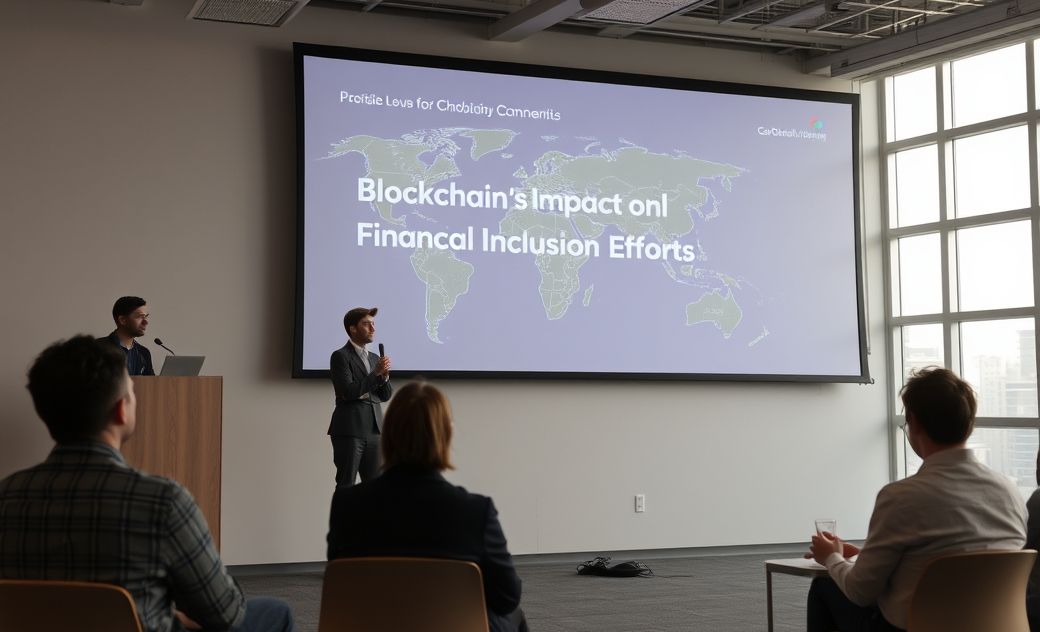
As the world hurtles toward a more digital and interconnected future, blockchain technology is emerging as a transformative force in the financial sector. Its potential to enhance global financial inclusion is one of its most revolutionary impacts. Let’s explore how blockchain plays a pivotal role in bridging financial gaps and providing opportunities for millions worldwide who remain underserved by traditional banking systems.
Understanding Blockchain Technology
At its core, blockchain is a decentralized digital ledger that records transactions across a network of computers. This ledger is inherently secure and tamper-proof, making it an ideal solution for financial applications. By eliminating the need for intermediaries, blockchain reduces costs and increases efficiency in financial transactions. This technology is particularly relevant for individuals lacking access to conventional banking services, offering a streamlined and accessible alternative.
Eliminating Barriers to Banking
Challenges in Traditional Banking
Traditional banking systems often fail to serve individuals in remote locations or those without requisite documentation. Costs related to opening and maintaining bank accounts can also be prohibitive, creating a significant barrier. Moreover, the reliance on physical infrastructure limits the reach of traditional banks to rural or underserved communities.
Blockchain as a Solution
Blockchain provides an alternative by enabling digital identities and financial transactions that are not reliant on physical documents or proximity to a bank branch. Through blockchain-powered platforms, individuals can access banking services on their mobile devices, thus transcending geographical limitations and drastically reducing the entry threshold for financial inclusion.
Facilitating Safe and Secure Transactions
One of the hallmarks of blockchain technology is its enhanced security features. Transactions made using blockchain are encrypted and validated by the network, ensuring transparency and minimizing the risk of fraud and manipulation. This reliability is crucial for populations who have traditionally been cautious of engaging with financial institutions due to trust issues.
Enabling Micropayments and Microfinancing
Micropayments
Blockchain facilitates the seamless processing of micropayments, which opens up new avenues of financial activity for low-income earners. By reducing transaction costs, blockchain technology makes it economically viable to conduct small-value transactions, thereby supporting everyday financial transactions that are essential for underserved communities.
Microfinancing Opportunities
Through blockchain, peer-to-peer lending platforms are increasingly becoming popular, offering microloans to entrepreneurs and small business owners without the need for a traditional credit history. By utilizing smart contracts, blockchain can effectively verify and execute loans automatically, reducing the overhead costs associated with microfinancing.
Cross-Border Transactions Made Simple
Blockchain technology provides a novel solution to the often-complex process of cross-border transactions. Traditional remittance channels are plagued by high fees and lengthy processing times. Blockchain offers a more efficient system where transactions can be completed quickly and at a fraction of the cost, thus empowering migrant workers and their families relying on remittances.
The Future of Financial Inclusion with Blockchain
As blockchain technology continues to evolve, its potential to drive financial inclusion becomes even more apparent. Innovative applications such as decentralized finance (DeFi) are emerging, offering a host of financial products and services powered by blockchain technology. These products are paving the way for greater financial accessibility, flexibility, and empowerment for marginalized communities around the globe.
In conclusion, blockchain technology is setting the stage for a more equitable financial future by breaking down longstanding barriers and expanding access to vital banking services. As adoption increases, blockchain’s role in fostering global financial inclusion will likely grow, offering a promising pathway towards an inclusive global economy.


The global supply chain industry confronts numerous challenges, and transparency stands as one of its most pressing issues. The integration of blockchain technology offers groundbreaking ways to enhance transparency across supply chains, promising improved efficiency, accountability, and trust among stakeholders.
Understanding Blockchain Technology
At its core, blockchain is a distributed ledger technology that records transactions across multiple computer systems in a way that ensures security and transparency. Its decentralized nature ensures that no single entity controls the data, making it resistant to tampering and fraud. By applying blockchain to supply chains, companies can achieve unparalleled visibility into their operations.
Improving Traceability and Accountability
Real-Time Tracking
Blockchain allows for real-time tracking of products from their origin to the final consumer. With unique digital identities assigned to each batch or component, stakeholders can follow products at every stage of the supply chain. This ensures accountability as every transaction is recorded and immutable.
Enhanced Product Authenticity
Consumers today demand to know the origins of the products they purchase, especially in sectors like food, pharmaceuticals, and luxury goods. Blockchain provides an unalterable record of a product’s journey, helping to verify its authenticity and build consumer trust.
Streamlining Logistics and Efficiency
Automated Processes
By integrating smart contracts, which are self-executing contracts with the terms written into code, blockchain can automate numerous logistics processes. This not only reduces the time required to complete transactions but also minimizes human error, resulting in increased overall efficiency.
Reduced Costs
With improved transparency and decreased reliance on intermediaries, blockchain technology can help reduce costs significantly. The streamlined processes enabled by blockchain lower administrative expenses and enhance transaction speeds, leading to a more cost-effective supply chain operation.
Ensuring Data Security and Integrity
Data breaches and security concerns are prevalent issues in supply chain management. Blockchain’s cryptographic and decentralized nature ensures that data remains secure, with participants only able to view the transactions they are authorized to see. Furthermore, once data is entered into the blockchain, it cannot be altered without consensus from the network, ensuring data integrity and trust.
Challenges and Considerations
Scalability Issues
Despite its advantages, blockchain technology must overcome scalability issues to handle the vast number of transactions occurring in global supply chains. Continuous development in blockchain technology aims to address these limitations, but they remain a significant hurdle to widespread adoption.
Regulatory Compliance
Navigating the regulatory landscape poses challenges for blockchain in supply chains. Different countries and regions have varying regulations regarding data privacy and digital transactions, which can complicate blockchain implementation. Businesses must ensure compliance with these regulations to successfully integrate blockchain into their supply chains.
As we navigate the future of supply chain management, the role of blockchain technology continues to become more prominent. By enhancing transparency, implementing efficient processes, and ensuring security, blockchain has the potential to revolutionize supply chains globally, offering greater insights and control over the complex ecosystems of production and distribution.

The rapid adoption of blockchain technology across various industries has ignited discussions on its environmental impact. This article delves into the environmental implications of blockchain, addressing both its challenges and potential solutions. With the surge in blockchain applications, understanding its ecological footprint is crucial for sustainable growth.
Energy Consumption
One of the most significant environmental concerns associated with blockchain technology is its energy consumption. The energy-intensive nature of blockchain operations, particularly in networks like Bitcoin, has raised alarms globally.
Proof of Work Mechanism
Most notably, the Proof of Work (PoW) consensus algorithm used by Bitcoin and other cryptocurrencies requires vast amounts of computational power. This mechanism necessitates high energy usage as it involves solving complex mathematical problems, thereby consuming substantial electricity. This demand places additional strain on power grids, contributing to higher carbon emissions if the electricity source is fossil fuel-based.
Comparative Energy Use
For context, the Bitcoin network’s energy consumption has been compared to that of entire countries, such as Argentina or Sweden, highlighting the scale of its impact. As cryptocurrencies adopt PoW, their collective energy footprint expands, prompting calls for more energy-efficient alternatives.
E-Waste Generation
Aside from energy, e-waste produced from blockchain operations is another pressing issue. The need for specialized mining hardware creates a cycle of rapid obsolescence and disposal.
Hardware Lifespan
Mining hardware, particularly for PoW protocols, has a limited operational lifespan. Once rendered inefficient by newer technologies or network difficulty increases, this hardware is often discarded, contributing to electronic waste. This cycle exacerbates environmental pollution, as e-waste is challenging to recycle and often ends up in landfills.
Carbon Emissions
The carbon emissions resulting from blockchain activities are a direct consequence of its high energy consumption. These emissions further complicate efforts to combat climate change.
Impact on Sustainable Energy Goals
The significant carbon footprint is at odds with global sustainable energy initiatives. The emissions from blockchain activities undermine efforts to reduce carbon levels and target net-zero aspirations set forth in international agreements like the Paris Accord.
Potential Solutions
Addressing the environmental impact of blockchain technology requires innovative solutions and industry cooperation. A multi-faceted approach can offer a way forward.
Transition to Proof of Stake
An emerging solution is the shift from energy-intensive Proof of Work to Proof of Stake (PoS). PoS drastically reduces energy requirements by allowing validators to create new blocks based on the number of coins they hold and are willing to “stake” as collateral. This method not only curbs energy consumption but also encourages eco-friendly blockchain applications.
Utilizing Renewable Energy
Another practical step is the integration of renewable energy sources into blockchain mining operations. Encouraging the use of solar, wind, or hydroelectric power can mitigate the environmental impact significantly. Furthermore, implementing carbon offset strategies can help balance any emissions that occur.
Encouraging Sustainable Practices
Finally, promoting sustainable practices within the blockchain community can lead to more environmentally responsible innovations. Developers, miners, and companies can focus on creating and utilizing technology that minimizes ecological harm while maximizing efficiency.
In conclusion, while blockchain technology offers transformative potential across sectors, addressing its environmental impacts is imperative for its sustainable development. Through strategic initiatives like transitioning to Proof of Stake, leveraging renewable energy, and embracing sustainable practices, the blockchain sector can align with global environmental goals while continuing to innovate.

In recent years, the realm of real estate has witnessed a significant digital transformation. One of the leading innovations driving this change is the integration of blockchain technology, particularly through the use of smart contracts. As the industry continues to evolve, understanding the potential implications and benefits of smart contracts within real estate transactions is crucial for investors, buyers, sellers, and agents alike.
Introduction to Smart Contracts
Smart contracts are self-executing contracts with the terms of the agreement directly written into lines of code. These contracts run on blockchain technology, which provides a decentralized and immutable platform for executing transactions. This innovation promises to revolutionize not only real estate but various other industries by providing a transparent and secure method for managing contractual agreements.
Benefits of Using Smart Contracts in Real Estate
Enhanced Security and Transparency
One of the primary advantages of smart contracts is their enhanced security features. Stored on a blockchain, these contracts are difficult to alter without detection, ensuring that all parties involved can trust the integrity of the transaction. Furthermore, transparency is significantly improved, as all transaction data is recorded and verifiable on a public ledger, reducing instances of fraud and disputes.
Cost Efficiency
Traditional real estate transactions often involve numerous intermediaries such as lawyers, brokers, and banks, each adding to the overall cost of the transaction. Smart contracts automate many of these processes, potentially reducing reliance on these parties and thus lowering costs associated with real estate transactions. This cost-effectiveness could make real estate more accessible to a wider range of investors and buyers.
Faster Transactions
Real estate transactions are notoriously time-consuming, often taking weeks or even months to complete. Smart contracts can streamline the process by automatically executing and enforcing contractual conditions when pre-set requirements are met. This automation reduces delays, leading to faster completion times and enhanced transaction efficiency.
Challenges and Considerations
Legal and Regulatory Challenges
Despite their potential, smart contracts face numerous legal and regulatory hurdles. The legal recognition of smart contracts and blockchain transactions is still evolving, which may pose complications in jurisdictions unprepared to handle such innovations. Ensuring that smart contracts are compliant with local laws and regulations is essential for their broad adoption.
Technical Complexities
Deploying smart contracts requires a certain level of technical expertise. Errors in the coding of smart contracts can lead to significant financial losses or legal disputes. As such, developing robust, error-free contracts is imperative. Furthermore, integrating current real estate systems with blockchain technology requires substantial investment and technical support.
The Future Outlook of Smart Contracts in Real Estate
As blockchain technology matures and regulatory landscapes adapt, the adoption of smart contracts in real estate is poised to grow. This technology offers a promising solution to some of the industry’s long-standing challenges by providing greater security, efficiency, and transparency. In the future, we could see smart contracts becoming a standard practice in real estate transactions, transforming how we buy, sell, and manage property.
The transition to a blockchain-based system will not be without its hurdles. However, the potential benefits make smart contracts an exciting prospect for the future of real estate transactions. Stakeholders in the real estate industry will need to stay informed and adapt to these changes to fully leverage the advantages of this innovative technology.

Top Marketing Automation Tools to Watch in 2025

Cloud-Native Applications: Why They’re Essential for Today’s Enterprises

The Rise of Subscription-Based E-commerce Models

How Zero Trust Models are Revolutionizing Cybersecurity

The Role of Blockchain in Enhancing Supply Chain Transparency

How AI is Changing the Face of Cloud Computing

Navigating the Aftermath of a Data Breach in Today’s Digital Age

Exploring the Environmental Impacts of Blockchain Technology

The Future of Real Estate Transactions with Smart Contracts

Emerging Trends in Web Hosting: What to Expect in 2025

The Impact of Cryptocurrency on E-commerce Payment Solutions

2025 Trends in Cloud Security: Keeping Your Data Safe

Cybersecurity Implications of the Internet of Things (IoT)

How Blockchain is Transforming the Gaming Industry

Becoming a Storyteller: Enhancing Brand Engagement through Narratives

Data-Driven Marketing: Harnessing Analytics for Better Outcomes

Sustainability in E-commerce: What Consumers Expect in 2025

The Rise of Multi-cloud Strategies in 2025: Pros and Cons

Exploring the Benefits of Cloud-Based Web Hosting Solutions

Choosing the Right Web Hosting Plan for Your Start-up: A Comprehensive Guide

The Role of AI in Predicting Future Cyber Threats

How User-Generated Content is Shaping Brand Authenticity
The Future of Real Estate Transactions with Smart Contracts
Exploring the Benefits of Cloud-Based Web Hosting Solutions
Exploring the Environmental Impacts of Blockchain Technology
Emerging Trends in Web Hosting: What to Expect in 2025
The Impact of Cryptocurrency on E-commerce Payment Solutions

Blockchain’s Impact on Global Financial Inclusion Efforts
How AI is Changing the Face of Cloud Computing
Navigating the Aftermath of a Data Breach in Today’s Digital Age
How Blockchain is Transforming the Gaming Industry

The Impact of Edge Computing on Cloud Services
Top Marketing Automation Tools to Watch in 2025

Best Practices for Securing Your Remote Workforce in 2025
2025 Trends in Cloud Security: Keeping Your Data Safe
Cloud-Native Applications: Why They’re Essential for Today’s Enterprises

How Social Commerce is Changing E-commerce Strategies

The Importance of Green Web Hosting in Reducing Your Carbon Footprint

The Role of Influencer Marketing in Brand Building
Data-Driven Marketing: Harnessing Analytics for Better Outcomes
-
 Cybersecurity1 year ago
The Role of AI in Predicting Future Cyber Threats
-
 Marketing1 year ago
How User-Generated Content is Shaping Brand Authenticity
-
 Blockchain7 months ago
The Future of Real Estate Transactions with Smart Contracts
-
 Web Hosting1 year ago
Exploring the Benefits of Cloud-Based Web Hosting Solutions
-
 Blockchain6 months ago
Exploring the Environmental Impacts of Blockchain Technology
-
 Web Hosting7 months ago
Emerging Trends in Web Hosting: What to Expect in 2025
-
 E-commerce7 months ago
The Impact of Cryptocurrency on E-commerce Payment Solutions
-
 Cloud Computing6 months ago
How AI is Changing the Face of Cloud Computing